
Views: 0 Author: Site Editor Publish Time: 2025-12-03 Origin: Site
You may ask, "What is glassine paper?" and why it is special in packaging. Glassine has a smooth surface and looks see-through. It does not let water or grease pass through, making it ideal for various applications. People use it for food, medicine, and other packaging needs. Here are some examples:
Application | Market Share |
|---|---|
Food Packaging | 38.2% |
Pharmaceutical Packaging | 26.7% |
Industrial Packaging | 22.4% |
Tarlson Paper produces eco-friendly glassine, helping to meet the growing demand for green products. More people are seeking packaging solutions that do not harm the planet.
Glassine paper is good for the environment. You can recycle or compost it. This makes it a smart choice for people who care about nature.
It has special features like stopping water and grease. This makes glassine great for food packaging, art storage, and stores.
Glassine has a smooth and shiny look. This helps products look better. Many businesses use it to impress customers.
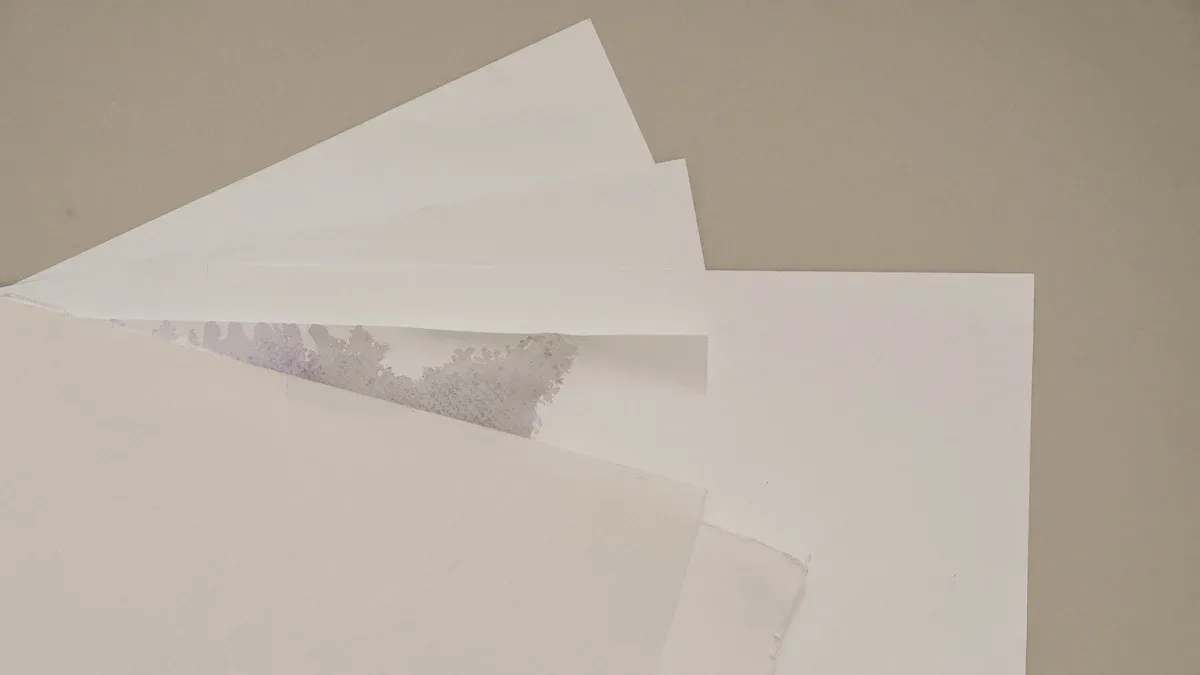
Glassine is made from wood pulp. The pulp is usually bleached Kraft, which makes the paper strong. Sometimes, recycled cardboard is added to help the environment. The steps to make glassine are simple:
Workers break down wood pulp to make a base.
Machines shape the pulp into thin sheets.
Rollers press the sheets to remove water.
Both sides get a special coating.
The paper dries to keep the coating in place.
High pressure and heat make the paper smooth and shiny.
The finished paper is rolled up for use.
The high pressure and heat step is very important. It makes glassine smooth, shiny, and see-through. The top side is extra glossy, which is different from other papers. Glassine feels slick and looks almost clear. These features make glassine great for packaging and storage.
Raw Material | Effect on Properties |
|---|---|
Refined wood pulp (bleached Kraft) | Makes the paper strong and tough. |
Recycled cardboard | Helps protect the environment. |
Water and heat resources | Needed for making good paper. |
Glassine is special because of its main features. It does not let water or air pass through. This means it stays strong even when wet. Glassine is hard to tear and keeps things safe from spills. Its smooth and shiny surface looks nice and feels soft. Glassine also keeps out grease and water, so it protects items from stains.
You can see through glassine, so you know what is inside. This helps with art, food, and store packaging. Glassine is pH neutral and acid-free, so it will not hurt photos or art. These features make glassine a good choice instead of plastic in many jobs.
The high pressure and heat step makes glassine dense and shiny. This gives it a glossy top and a see-through look, which are its main features.
Glassine is strong and lasts a long time. It does not tear or let water in, so it keeps things safe. The smooth surface stops dust and dirt from sticking. This is good for saving food or important papers.
Glassine is good for the earth. You can put it in your compost bin after using it. You can also recycle it with other paper. Glassine breaks down on its own and does not hurt nature.
Companies like Tarlson Paper care about the planet. They use recycled stuff and take care of forests. They use less energy, solar power, and electric cars. They print with soy and water-based inks, which are better for the earth.
Certification | Description |
|---|---|
ISO Certification | Shows the company cares about quality and the earth. |
FDA Certification | Makes sure it is safe for food packaging. |
SGS Certification | Checks that the product is good and safe for nature. |
FSC Certification | Proves the wood comes from safe, managed forests. |
Glassine is a good choice instead of plastic. You can recycle or compost it, and it helps the earth. These things make glassine smart for people who want less waste and a cleaner planet.
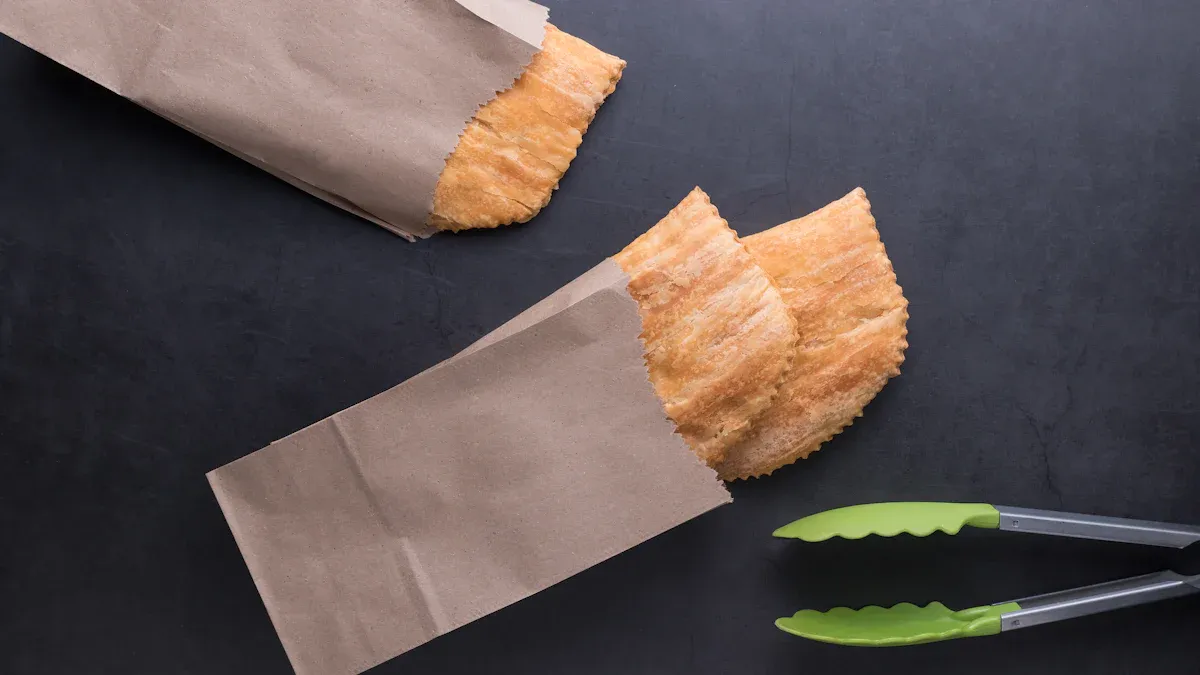
You might ask, what do people use glassine paper for? Glassine is special because it works in many jobs. You see it in food packaging, art storage, stores, online shops, makeup, shoes, and clothes. These uses show glassine can protect, show off, and deliver things safely and nicely.
Glassine is used in food packaging to keep food safe and fresh. It stops water and grease from leaking out. This makes it great for wrapping baked goods, candy, and snacks. Glassine does not react with food, so taste and safety are not a problem.
Glassine paper must follow strict FDA rules for food contact. The paper and coatings must be safe for dry, wet, or fatty foods.
Here is how glassine and parchment paper are different for food wrapping:
Feature | Glassine Paper | Parchment Paper |
|---|---|---|
Acidity | Acid-free, pH-neutral – good for saving things. | Acidic |
Water / Grease Resistance | Great at stopping water and oil | Good, but not as strong as glassine. |
Heat Resistance | Not for baking | Can handle up to 420 °F or more |
Non-Stick Properties | No non-stick coating | Great, because of silicone |
Transparency | See-through and shiny | Not shiny, a bit rough |
Common Uses | Wrapping, crafts, packaging, saving art | Baking, cooking, non-stick liners |
Recyclability | Easy to recycle | Some types cannot be composted |
You can get custom glassine paper for food wrapping to fit your brand. Tarlson Paper makes eco-friendly packaging that is safe and looks good. This makes glassine a smart pick for businesses that want earth-friendly packaging.
People use glassine for art storage too. You can keep drawings, photos, and prints safe with glassine sheets or envelopes. Glassine is acid-free and pH-neutral, so it stops art from turning yellow or getting ruined. The smooth surface does not scratch or smudge art.
Glassine keeps out water, grease, and dust.
You can see through it, so you do not have to touch the art.
Collectors use glassine for stamps, photos, and other special items.
Advantage | Description |
|---|---|
Acid-free | Glassine does not have acids that can ruin things over time. |
Water-resistant | Keeps things safe from water, which can cause harm. |
Transparency | Lets you see both sides of stamps or photos without touching them. |
Glassine paper gives a shield against water, grease, and dirt, keeping things safe inside.
Custom glassine paper from Tarlson Paper helps museums, artists, and collectors protect their treasures. You can count on glassine to keep your memories safe for a long time.
Stores and online shops use glassine to pack clothes, makeup, paper goods, and gifts. The smooth, see-through look makes every package look fancy. You can use custom glassine paper to show your brand and make your products pop.
Glassine keeps clothes and makeup safe from grease and water.
It is strong and keeps dust away when shipping.
You can use glassine for wrapping gifts to make unboxing fun.
Many brands pick glassine because it is good for the earth. Tarlson Paper offers custom glassine paper that fits your needs and helps the planet. You can use glassine for wrapping gifts, showing off products, and safe shipping.
The packaging world likes glassine because it is useful and earth-friendly. You see it everywhere, from food wraps to art storage and store displays. These uses show why glassine is a top pick for people who care about quality and the environment.
You might want to know how glassine and wax paper are different. Both keep things safe from water, but they are not the same. Wax paper has wax on both sides. This makes it not sticky and not see-through. Glassine is made from cellulose fibers. It feels smooth and looks shiny. You can see through glassine, but not wax paper. Wax paper is good for wrapping oily foods. It stops oil and water from leaking. Glassine works better for dry things. It is good when you want to see what is inside.
Feature | Glassine Paper | Wax Paper |
|---|---|---|
Composition | Made from cellulose fibers, smooth and glossy | Coated with a thin layer of wax on both sides |
Non-Stick Properties | Not inherently non-stick | Specifically designed to be non-stick |
Transparency | Transparent or semi-transparent | Opaque due to wax coating |
Heat Resistance | Limited heat resistance, not suitable for baking | Heat-resistant, suitable for moderate oven use |
Usage | Used for packaging, release liners, not for food | Commonly used in culinary applications, like baking sheets and wrapping food |
Wax paper is best for greasy foods. It keeps oil from getting out. Glassine is picked for dry goods. It is also used when you want to see what is inside.
Parchment paper is another special paper used in kitchens. It can handle high heat. You can bake with parchment paper at up to 420°F. Glassine cannot take much heat. You should not use it for baking. Both are safe for food. Parchment paper is made to be food-safe. Glassine is acid-free and pH neutral. This helps keep delicate things safe.
Feature | Glassine Paper | Parchment Paper |
|---|---|---|
Heat Resistance | Poor, not for baking | High, up to 420°F+ |
Glassine can be recycled and composted. This makes it better for the earth than parchment paper. Parchment paper often has a silicone layer. This makes it hard to recycle.
Glassine is easy to recycle and compost.
Parchment paper is harder to recycle because of silicone.
Glassine uses more energy to make, but it does not add plastic waste.
Glassine has special features that wax and parchment paper do not have. It is good for the earth, pH neutral, and acid-free. Glassine keeps out water, air, and grease. This makes it useful for many things. The way glassine is made gives it a shiny, smooth surface. This is great for printing and packaging. Glassine can be recycled. It does not add to plastic trash. You can use glassine for food, makeup, and saving art. It is strong, can be used in many ways, and is good for packaging in many jobs.
Glassine bags are tough and keep out water and grease.
You can use glassine for food, makeup, and medicine.
Glassine is smooth, shiny, and blocks grease, air, and water vapor.
It is great for packing and saving art or collectibles.
Glassine is one of the best green packaging choices.
Glassine is used in lots of jobs because it keeps things safe. It also looks nice and helps the environment. Many brands pick glassine for its smooth feel and because it keeps out water. Glassine can be recycled, so it is good for the planet. You can count on glassine to keep food, art, and store items safe. It makes packages look good and helps cut down on waste.
You get a smooth, shiny, and see-through surface with glassine. Regular paper feels rough and looks solid. Glassine also resists water and grease, which helps protect your items.
Yes, you can recycle glassine with other paper. You can also compost it at home. Glassine breaks down naturally and does not harm the environment.
Yes, you can use glassine for food. It does not react with food. It keeps snacks, candy, and baked goods fresh and safe.


