Views: 0 Author: Site Editor Publish Time: 2026-09-17 Origin: Site
Mold outbreaks during global footwear shipping pose massive, unpredictable financial risks. A single rejected shipment easily destroys seasonal profit margins. Furthermore, brand reputation damage often lingers far longer than the immediate remediation costs. Supply chain managers frequently debate these packaging strategies on the factory floor. Many wonder if standard packing methods remain sufficient. Others argue active interventions are absolutely mandatory for ocean freight. We must address this dilemma head-on.
Upgrading to active packaging is not a universal necessity. Instead, you should view it as a calculated risk-management decision. This choice depends heavily on material vulnerability, specific transit routes, and baseline factory conditions. In this article, you will learn exactly when standard paper fails in transit. We will outline specific trigger scenarios requiring an upgrade. You will also discover how to evaluate suppliers and implement robust factory-level protocols for immediate protection.
Active anti-mold tissue is most cost-effective for high-risk materials (leather, suede, natural fibers) facing extended ocean freight durations.
It operates as a contact-and-release barrier, replacing standard shoe wrapping tissue without adding extra steps to the packing line.
Anti-mold paper is not a standalone cure; it works synergistically with desiccants and proper factory climate control.
Procurement teams must evaluate suppliers based on active ingredient safety, global compliance (REACH, EPA), and print transfer risks.
Standard packaging materials often create a false sense of security for footwear brands. Traditional shoe wrapping tissue acts solely as a physical barrier. It effectively prevents surface scuffing inside the shoebox. However, it offers zero resistance to fungal spores. These conventional papers lack any biological defense mechanisms.
The micro-climate problem exacerbates this weakness during global shipping. As cargo ships traverse different climate zones, temperatures fluctuate drastically. Warm air inside the shipping container holds moisture. When nighttime temperatures drop, this trapped air cools rapidly. It reaches the dew point, causing condensation to form on the container ceiling. This phenomenon is known as "container rain." Moisture then drips down onto the cartons below, drastically spiking the relative humidity (RH) inside each individual shoebox.
Standard paper suffers from severe hygroscopic vulnerability. It readily absorbs this ambient moisture. Instead of protecting the product, the wet paper inadvertently creates a damp breeding ground. It holds trapped moisture directly against the shoe's surface. Fungal spores thrive in these precise dark, humid conditions.
You must quantify the true cost of inaction when evaluating packaging upgrades. A mold-contaminated container triggers catastrophic financial losses. Brands lose initial freight costs immediately. Deep cleaning and ozone treatment procedures cause severe launch delays. Retail partners routinely reject affected shipments to protect their own stores. Ultimately, widespread contamination often results in a total loss of seasonal inventory.
Not every shoe requires active chemical protection. Procurement teams must identify specific risk factors before upgrading to anti-mold tissue paper. We recommend auditing your supply chain against four primary trigger scenarios.
Material Sensitivity: Fungi require organic food sources to multiply. Premium leathers, suedes, canvas, and natural fibers provide ideal nutrients. Water-based adhesives also serve as excellent fungal food. You must mandate active protection when manufacturing footwear from these vulnerable materials. Synthetic plastics and rubbers carry a significantly lower risk profile.
Extended Transit and Storage Timelines: Time equals risk in logistics. You need active interventions when ocean freight shipping routes exceed 21 days. Extended exposure to fluctuating temperatures increases condensation risks. Furthermore, inventory sitting in non-climate-controlled regional distribution centers faces similar dangers. Prolonged storage gives dormant spores ample time to bloom.
Seasonal Manufacturing Climates: Geography dictates baseline humidity levels. We highly recommend active packaging when factories operate in Southeast Asia or South America. Peak monsoon and typhoon seasons introduce extreme ambient moisture into the packing room. If workers pack shoes during heavy rain seasons, they inevitably trap humid air inside the box.
Historical Mold Data: Quality assurance metrics should drive your packaging decisions. Audit your inspection reports from the past three years. If QA data indicates a fail rate exceeding 1% due to mold in specific product lines, you face a systemic issue. Switching to an active wrapping material serves as a rapid-deployment corrective action.
Best Practice: Always map your material types against your shipping calendar. A suede boot manufactured in Vietnam during August and shipped to Europe represents the highest possible risk matrix.
Supply chain managers frequently confuse different packaging interventions. Understanding mechanism differences ensures you deploy the right defense. Desiccants, such as silica gel or clay packets, pull moisture out of the air. They offer passive prevention by lowering the relative humidity. Anti-mold chips release antimicrobial gases into the confined box space. They actively neutralize spores but rely entirely on gas dispersion.
Conversely, anti-mold wrapping tissue provides comprehensive 360-degree contact protection. The paper physically touches the shoe surface while simultaneously releasing localized active agents. This creates an immediate kill zone right where fungal spores attempt to anchor themselves.
We advocate strongly for the synergy strategy. Brands should never view these interventions as mutually exclusive. The most robust defense pairs a high-quality desiccant alongside antibacterial tissue paper. The desiccant controls the ambient relative humidity inside the box. Meanwhile, the active paper kills existing spores on contact. This two-pronged approach tackles both the moisture source and the biological threat.
Operational efficiency also drives this decision framework. Factory packing lines run on strict time quotas. Inserting separate chips or stickers adds a distinct labor step. However, wrapping footwear is already a required packing procedure. Upgrading to an active paper eliminates the extra labor costs associated with inserting separate chips.
Packaging Defense Mechanisms Comparison Chart
Intervention Type | Primary Mechanism | Protection Style | Impact on Packing Labor |
|---|---|---|---|
Desiccants (Silica/Clay) | Moisture absorption | Passive (Humidity control) | Adds one insertion step |
Anti-Mold Chips | Gas release | Active (Vapor phase) | Adds one insertion step |
Active Wrapping Tissue | Contact barrier & localized release | Active (Surface kill zone) | Zero added steps (Replaces standard paper) |
Sourcing active packaging requires rigorous due diligence. You cannot simply purchase the cheapest available option. Substandard chemicals pose severe risks to factory workers and end consumers. Procurement teams must evaluate suppliers strictly against established safety and performance metrics.
Regulatory Compliance: This requirement remains strictly non-negotiable. Active ingredients must pass global chemical safety standards. You must demand documentation proving compliance concerning the EU Biocidal Products Regulation (BPR) and REACH. For North American markets, verify US EPA registration and California Proposition 65 compliance.
Toxicity and Sensitization: The chosen active agents must prioritize human safety. Reputable manufacturers utilize essential oil derivatives or heavily vetted, approved synthetic biocides. These chemicals must not cause skin sensitization. Factory workers handle thousands of sheets daily. Consumers touch the paper upon unboxing. Sensitization risks invite devastating lawsuits.
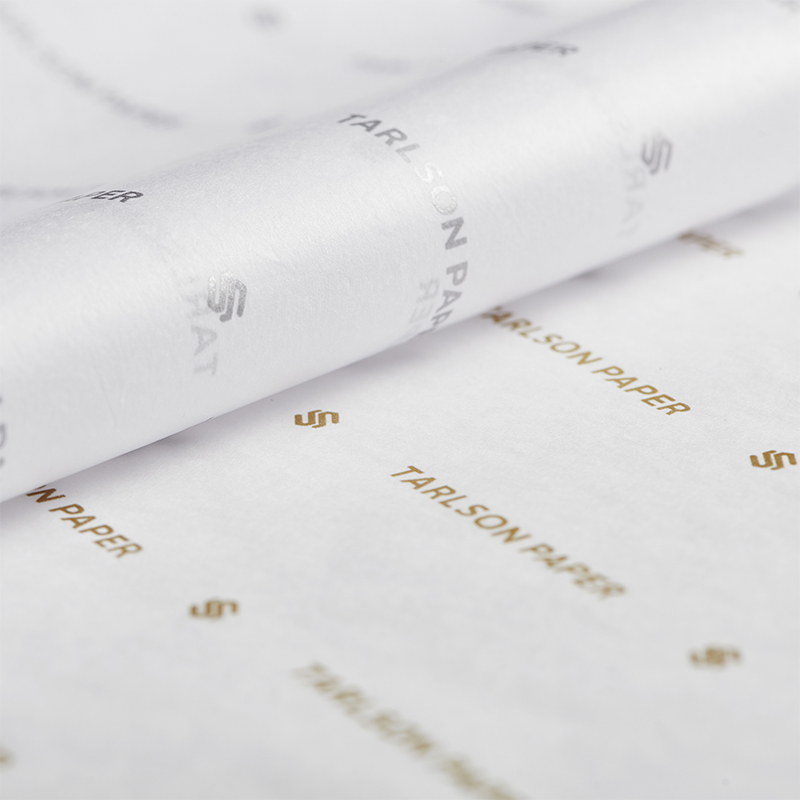
Custom Offset Printing Viability: B2B sourcing often involves branding requirements. Brands want custom logos printed on their footwear packaging tissue. You must address how these inks interact alongside the chemical coating. The printed ink must not impede the release of the active ingredient. Furthermore, the anti-mold chemical must not cause the ink to bleed onto the shoe leather.
Shelf-Life of the Packaging: Active papers possess a finite lifespan before deployment. You must define the effective shelf-life during your procurement phase. Quality manufacturers ship these rolls or sheets inside sealed foil bags. This prevents premature chemical release on the factory floor.
Supplier Evaluation Matrix
Evaluation Category | Mandatory Verification Document | Red Flag Warning Sign |
|---|---|---|
Global Compliance | REACH Certificate / EPA Registration | Supplier refuses to name the active biocidal ingredient. |
Dermatological Safety | Skin Sensitization Test Report | Strong, overpowering chemical odors upon opening the sample. |
Print Stability | Colorfastness Test Results | Ink smudging when the paper encounters minor friction. |
Brands often misunderstand the capabilities of active packaging. We must establish a skeptical reality check. Active wrapping paper cannot rescue shoes packed wet. It is not a magical cure for poor manufacturing hygiene. Baseline moisture control remains strictly necessary across your entire facility. Factories must pre-dry shoes thoroughly in heating tunnels before they reach the packing line. Maintaining low relative humidity inside the packing room itself is equally critical.
Successful implementation relies entirely on robust factory floor standard operating procedures (SOPs). You must train workers properly to handle active materials. Unused paper must remain inside sealed foil bags during shift changes. Leaving a stack of active paper exposed overnight depletes its efficacy before it ever reaches a shoebox. Additionally, workers must ensure the paper covers the entire shoe. Maximizing physical contact maximizes the barrier effectiveness.
Common Mistake: Factories often cut corners by using a single, small sheet of active paper just for the top of the shoe, leaving the vulnerable sole and sides exposed.
Never roll out a new packaging intervention blindly. You must execute a strict pilot testing protocol first. Request compliant samples from vetted suppliers. Run a controlled micro-climate test using an environmental incubator. Place your specific footwear materials inside standard boxes. Wrap one set in conventional tissue. Wrap the control group in the active tissue. Subject both to high heat and high humidity for 28 days. Compare the visual mold growth rates before approving a mass rollout across your global supply chain.
This rigorous testing phase validates the chemical efficacy against your exact leathers and glues. It ensures your procurement dollars actually translate into tangible risk reduction.
Active wrapping tissue provides a highly effective, low-labor intervention for vulnerable footwear facing challenging supply chain climates. It replaces standard packing materials seamlessly while establishing a robust contact-killing barrier against fungal spores. Supply chain decision-makers should immediately audit their highest-risk SKUs. Request compliant, fully documented samples from vetted manufacturers. Finally, initiate chamber testing to validate the active efficacy against your specific leathers and adhesives before the next monsoon season begins.
A: When packed correctly in a standard closed shoebox, the active agents typically provide continuous protection for 3 to 6 months. This duration reliably covers standard ocean transit and subsequent warehousing lifecycles.
A: No. They serve entirely different functions. Desiccants manage ambient moisture levels, while the tissue actively neutralizes mold spores on contact. In high-humidity scenarios, both are required.
A: Yes, provided it is sourced from a reputable manufacturer. They must utilize REACH and EPA-compliant active ingredients designed specifically to prevent skin sensitization upon contact.
A: No. Once the shoes reach a climate-controlled home, it is generally best practice to remove active packaging. This allows the footwear to breathe properly, as the primary risk phase has passed.