
Have you ever heard of a paper that’s both durable and eco-friendly? Glassine paper is just that—an innovative, versatile material used across many industries. Whether for packaging, art preservation, or food storage, it offers an impressive combination of strength and sustainability. In this article, we will explore what glassine paper is, how it’s made, its key features, and its applications. You’ll also learn why it’s becoming a go-to material for businesses focused on reducing their environmental impact.
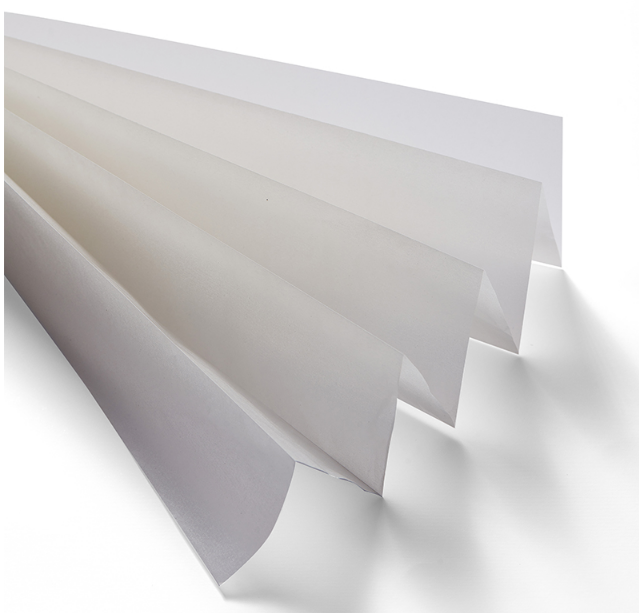
Glassine paper is a smooth, glossy, and translucent paper made primarily from wood pulp. It’s a high-density paper that undergoes a special process called supercalendering, which gives it its glossy appearance and makes it resistant to moisture, air, and grease. Glassine paper is used for a variety of purposes, including food packaging, pharmaceuticals, and art preservation, thanks to its unique qualities.
The process of creating glassine paper involves several steps, starting with the use of high-quality wood pulp, which is then processed and supercalendered. Supercalendering involves pressing the paper through rollers at high pressure to smooth it out, resulting in the glossy, smooth, and translucent texture that defines glassine. This process also increases its density and resistance to external elements, making it an ideal material for various applications.
Supercalendering is a critical step in producing glassine paper. During this process, paper is passed through a series of heated rollers that smooth and compress the fibers. The result is a dense, glossy, and smooth paper with excellent resistance to moisture, air, and grease. This process differentiates glassine from regular paper, enhancing its strength, durability, and protective qualities.
One of the most noticeable characteristics of glassine paper is its translucent quality. It allows light to pass through while providing a smooth, glossy finish that gives the paper a shiny appearance. This transparency makes glassine paper ideal for packaging where the contents need to be visible, such as in food packaging or for showcasing products in retail.
Glassine paper excels at protecting contents from moisture, grease, and air. Its resistance to these elements makes it an excellent choice for food packaging, especially for items like bakery goods, chocolates, and candies, where maintaining freshness and quality is crucial. Glassine's ability to keep products protected without the need for plastic packaging is one of its key selling points.
Unlike many plastic-based packaging materials, glassine paper is biodegradable and recyclable, making it a sustainable choice. Made from renewable wood pulp, glassine can break down naturally over time, reducing environmental impact. For businesses focused on reducing their carbon footprint and adopting green packaging solutions, glassine provides a responsible alternative to non-biodegradable materials like plastic.
Despite being lightweight, glassine paper is surprisingly durable. Its smooth, dense structure provides significant strength, making it resistant to tearing, puncturing, and damage. The combination of its high-density finish and supercalendering process enhances its toughness, allowing it to withstand rough handling and transport. This durability is especially important in packaging, where materials need to maintain their integrity throughout the shipping process. Glassine’s resistance to physical damage ensures that products inside remain safe and protected, making it an ideal choice for industries that require both strength and a polished appearance in their packaging solutions.
Glassine paper is extremely versatile. It can be used across a wide range of industries, from food and pharmaceuticals to art and archival applications. Its moisture and grease resistance make it ideal for packaging, while its smooth surface and acid-free properties make it perfect for preserving delicate items like artworks, photographs, and documents.
With increasing consumer demand for sustainable products, glassine paper is a standout choice for businesses looking to implement eco-friendly packaging solutions. It offers the same protective qualities as plastic, without the environmental impact. Glassine is biodegradable, recyclable, and free from harmful chemicals, making it an ideal material for businesses aiming to reduce their use of plastic.
Glassine paper is commonly used in the food industry for packaging products such as baked goods, candies, and chocolates. Its moisture and grease-resistant properties help preserve the freshness of the food while maintaining its visibility. This makes it a popular choice for wrapping individual items or creating protective layers in multi-item packaging.
Due to its resistance to moisture and air, glassine paper is used in the pharmaceutical industry to package medications, preserving their effectiveness and preventing contamination. Glassine is commonly used for blister packs and other protective packaging for pharmaceutical products, ensuring they remain safe for consumption.
In the world of art and archives, glassine paper is highly valued for its ability to protect delicate materials like paintings, photographs, and historical documents. Its acid-free, smooth, and non-abrasive nature helps safeguard valuable items from damage due to environmental factors such as moisture, light, and physical abrasion.
While both glassine and wax paper are grease-resistant, glassine offers better transparency and smoothness. Glassine’s ability to showcase products while protecting them makes it more suitable for applications where visibility is important, like food packaging or retail. Wax paper, on the other hand, has a waxy coating that can make it less ideal for products that require clarity or aesthetic appeal.
Unlike plastic, which is non-biodegradable, glassine paper is a biodegradable and recyclable material that offers similar protective qualities. Glassine provides a more eco-friendly alternative to plastic, making it a better choice for sustainable packaging solutions. It also has the added benefit of being compostable, reducing its impact on landfills and the environment.
Glassine paper provides a smoother surface and better visibility compared to parchment paper, which tends to be more textured and opaque. While both materials offer protective qualities, glassine is better suited for applications where transparency is key, such as when showcasing products or food items. Parchment paper is more commonly used for baking and non-adhesive purposes.
With growing concerns about environmental sustainability, businesses are increasingly looking for eco-friendly packaging alternatives. Glassine paper offers a reliable and sustainable option due to its biodegradability and recyclable nature. Companies that are making the switch to glassine paper are meeting consumer demand for more environmentally conscious packaging solutions.
As part of the broader green packaging movement, glassine paper is gaining popularity. Its ability to be processed from renewable wood pulp and its natural decomposition properties make it an attractive choice for businesses committed to reducing their environmental footprint. Its versatile uses and sustainability make it a strong competitor to plastic and other non-renewable materials.
Glassine paper offers unique advantages over other materials in various applications. To better understand how it compares, we’ve outlined its key features alongside other common materials like wax paper, plastic, and parchment paper. This comparison helps highlight the strengths and weaknesses of each option, guiding you in choosing the right material for your needs.
| Material/Feature | Glassine Paper | Wax Paper | Plastic | Parchment Paper |
|---|---|---|---|---|
| Transparency | High transparency and glossy finish | Opaque with a waxy coating | Opaque and non-transparent | Slightly opaque, textured surface |
| Grease Resistance | Excellent | Good, but leaves residue | Excellent | Moderate |
| Moisture Resistance | Excellent | Moderate | Excellent | Moderate |
| Biodegradability | Fully biodegradable and recyclable | Biodegradable but not widely recyclable | Non-biodegradable, harmful to environment | Biodegradable, but not recyclable |
| Uses | Food packaging, pharmaceuticals, art preservation | Wrapping food, food storage | Packaging, bags, containers | Baking, cooking, food storage |
Tip: For sustainable packaging, Glassine Paper stands out due to its biodegradability and strength, making it an ideal choice for eco-conscious businesses.
Glassine Paper is a versatile and eco-friendly material, widely used in various industries for its durability, smooth texture, and resistance to moisture and grease. Its biodegradable and recyclable nature makes it an ideal alternative to plastic, perfect for businesses aiming to reduce their environmental impact. For companies focused on sustainable packaging solutions, Tarlson Paper Global Co., Ltd. offers Glassine Paper, which combines functionality and sustainability, providing excellent protection while supporting green practices.
A: Glassine paper is a smooth, glossy, and translucent paper made from wood pulp. It is known for its resistance to moisture, grease, and air, making it ideal for packaging, food storage, and art preservation.
A: Glassine paper is made through a process called supercalendering, where paper is pressed under high pressure and heat, resulting in a glossy, smooth, and dense material that is resistant to moisture and grease.
A: Glassine paper is commonly used in food packaging, pharmaceuticals, and art preservation. Its grease and moisture resistance make it ideal for wrapping baked goods, chocolates, and protecting delicate items.
A: Yes, Glassine paper is biodegradable and recyclable, making it an eco-friendly alternative to plastic. It is made from renewable wood pulp, contributing to sustainable packaging solutions.
A: Glassine paper has a smooth surface but is less suitable for regular printing. Specialized printing methods are required due to its non-porous nature, which can affect ink absorption.
A: Unlike wax paper, Glassine paper offers better transparency and strength while maintaining similar moisture and grease resistance. It’s ideal for applications where product visibility is important.


