Views: 0 Author: Site Editor Publish Time: 2026-09-10 Origin: Site
Apparel brands everywhere are actively phasing out single-use LDPE polybags. You are likely facing corporate sustainability mandates demanding plastic-free alternatives right now. The shift away from conventional plastics is no longer optional for modern retail. However, making this transition introduces significant operational risks. You must protect delicate garments from dust and moisture without slowing down warehouse packing speeds. Your brand presentation also needs to remain flawless from the factory floor to the customer's doorstep.
We wrote this guide to help you confidently navigate these exact logistical challenges. You will gain an objective, technical framework for evaluating material specifications and printing constraints. We will also cover closure styles, structural limits, and supply chain integration. This comprehensive article equips procurement and operations teams to evaluate, source, and order the right packaging solutions at scale.
Thickness Matters: 35 GSM is the baseline for lightweight apparel, but heavy knits require higher structural integrity.
Sizing Requires Allowance: Glassine lacks the stretch of plastic; precise dimensioning with a 0.5-inch buffer prevents seam blowouts.
Fulfillment Impacts: Closure types (peel-and-seal vs. stickers) directly affect 3PL packing speeds and labor costs.
Print Limitations: The calendared, non-porous surface of glassine requires specific ink management to avoid smudging while maintaining translucency.
Replacing traditional polybags requires a delicate balancing act. You want to achieve ambitious eco-friendly goals. But you also face the harsh realities of global logistics. Garments encounter severe conditions during transit. Dust, friction, and moisture threaten product integrity at every warehouse transfer.
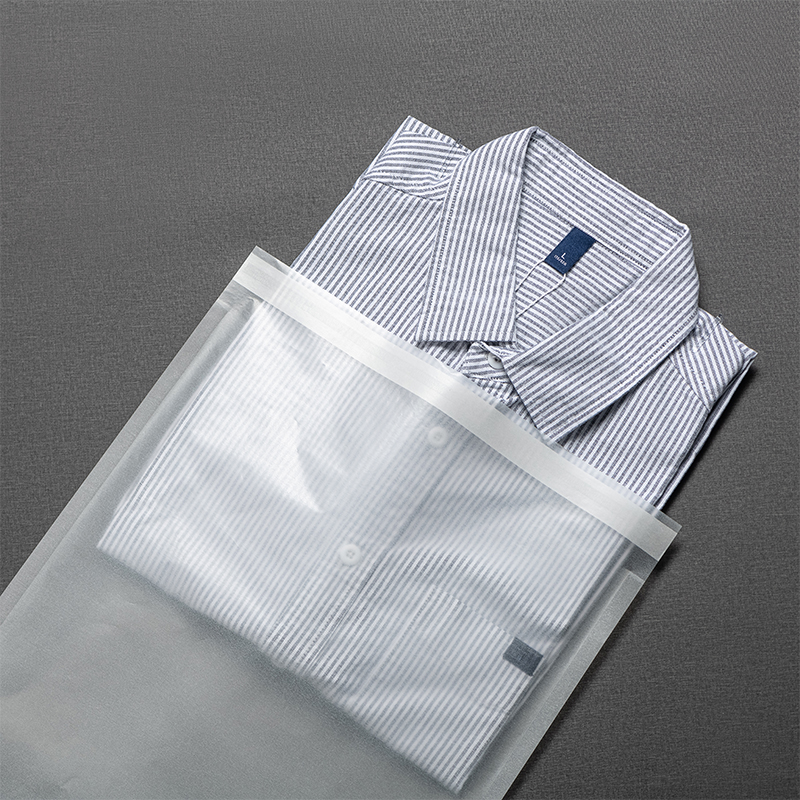
We must define the material truths first. Glassine is a super-calendared paper product. Manufacturers press the wood pulp through highly heated mechanical rollers. This intense pressure aligns the paper fibers tightly together. The process creates a remarkably smooth, semi-transparent finish. A standard glassine paper bag is naturally moisture-resistant due to this fiber density. However, we must clarify one critical point. It is not strictly waterproof.
The material will successfully repel light condensation during a truck transfer. It will not survive complete submersion or heavy rain exposure without secondary protection. Setting realistic expectations around moisture management prevents catastrophic transit failures.
How do we define a successful transition? A successful rollout requires hitting three specific operational targets:
Garment Protection: Inventory arrives entirely scuff-free, and the paper prevents static charge buildup.
Operational Flow: Internal routing barcodes remain perfectly scannable through the translucent material.
End-of-Life Compliance: The final packaging passes strict curbside recycling standards easily.
Common Mistake: Many procurement teams assume paper behaves exactly like LDPE film. This assumption leads to undersized bags and torn side seams. You must treat this transition as an engineering shift, not just a material swap.
Choosing the right material weight dictates your overall durability. We measure this weight in Grams per Square Meter (GSM). The industry standard for standard lightweight garments is a 35 GSM glassine bag. This specific thickness works perfectly for t-shirts, swimwear, and intimates. It offers excellent visual translucency while keeping unit costs low.
However, you need thicker material for heavier items. We strongly recommend upgrading to 40 or 50 GSM for bulky products. Denim, heavy outerwear, and chunky knits exert significant outward pressure when folded. The higher GSM rating prevents sharp garment corners from puncturing the paper during high-friction shipping scenarios.
Next, we must address sizing and dimensional tolerances. Plastic polybags stretch generously when packers stuff them. Glassine does not stretch at all. If a warehouse worker forces a bulky sweater into a tight paper sleeve, the side seams will blow out immediately. You must engineer your sizes differently. Add at least a 0.5-inch to 1.0-inch clearance to your neatly folded garment dimensions. This protective buffer ensures smooth insertion. It also dramatically reduces handling damage on the fulfillment line.
Ventilation is another crucial technical specification. Think about your master carton packing process. When workers stack multiple sealed units into a large corrugated box, trapped air causes severe compression issues. The bags will inflate like balloons. Pre-punched vent holes solve this problem. These small holes allow air to escape safely under pressure. This simple structural addition prevents the packaging from bursting open. It also maximizes your volumetric master carton space.
Garment Type and Recommended Bag Specifications
Garment Category | Recommended GSM | Size Buffer Required | Ventilation Needs |
|---|---|---|---|
T-Shirts, Swimwear, Intimates | 35 GSM | 0.5 inch minimum | Optional |
Light Sweaters, Activewear | 40 GSM | 0.75 inch minimum | Recommended |
Denim, Heavy Outerwear, Chunky Knits | 45 - 50 GSM | 1.0 inch minimum | Highly Recommended |
When you develop a custom glassine bag, you must understand the chemical constraints of the material. The mechanical calendaring process gives the paper a beautifully smooth, non-porous surface. Unfortunately, this exact finish rejects traditional petroleum-based inks. It slows drying times significantly on the factory floor.
Standard inks will smear and ruin your branding. You must specify compatible soy-based or water-based inks. These eco-friendly alternatives bond correctly with the dense paper surface. They also maintain the environmental integrity of the final product.
You also need to establish strict ink coverage thresholds. We strongly advise keeping total ink coverage below 30% to 40%. Over-printing creates multiple functional problems.
It compromises the signature semi-transparency of the material.
It increases the risk of ink offsetting onto the garments inside.
It degrades the premium, minimalist aesthetic of the unboxing experience.
Barcode scannability remains a critical supply chain factor. Your operations rely on retail barcodes and internal routing labels. Place these codes strategically. The translucent material allows laser scanners to read internal garment tags easily. However, heavily printed ink zones will block the scanner laser entirely. Always keep the designated area directly above the internal barcode completely clear of branding.
Best Practice: For a truly premium look, consider blind embossing. This mechanical technique presses your brand logo directly into the paper fibers. It uses zero ink. This elegant approach maintains 100% recyclability while elevating the tactile experience for the consumer.
Closure mechanisms impact your operational bottom line directly. They dictate exactly how fast your third-party logistics (3PL) partner can pick and pack orders. Every wasted second counts in a high-volume fulfillment center. Choosing the right closure for your glassine packaging bag requires balancing packing speed with visual aesthetics.
Let us evaluate peel-and-seal adhesive strips first. This is the most common industry solution.
Pros: This style maximizes units-per-hour (UPH) for 3PL teams. Warehouse staff can peel the liner and fold the flap rapidly. It provides the most secure, tamper-evident seal for rough parcel transit.
Risks: Chemical adhesive degrades over time. You must carefully plan your inventory shelf-life expectations. Pre-applied adhesive typically lasts 6 to 12 months. High warehouse humidity accelerates this degradation dramatically.
Next, consider fold-over flaps paired with branded stickers.
Pros: This closure method offers high aesthetic value. You can utilize customized stickers for flexible seasonal branding. It also accommodates variable garment thicknesses much better than a fixed adhesive strip.
Risks: It slows down the fulfillment line noticeably. Hand-applying individual stickers takes precision and time. You also face a sourcing challenge. You must secure compatible, recyclable sticker adhesives to avoid contaminating the recycling stream.
Finally, we look at emerging resealable zip options. Paper-based zip-lock alternatives exist in the market today. They offer excellent return logistics capabilities. Consumers love them. However, they carry a high cost-to-benefit ratio. You must weigh the steep upfront unit cost against your actual historical return volumes.
Moving your entire supply chain to an apparel glassine bag requires rigorous supplier vetting. You should start with a smart Minimum Order Quantity (MOQ) strategy to mitigate financial risk.
Do not order one million units immediately. Advise your procurement team to execute low-MOQ pilot runs first. Order 50 to 500 units for initial testing. Use these small batches for internal warehouse time-studies. Conduct rigorous transit drop-tests using standard ISTA protocols. Once you verify the material performance, map out the cost-per-unit drops. Scaling to wholesale volumes of 10,000 units or more will lower your unit economics significantly.
You must also verify supplier certifications rigorously. Greenwashing remains a severe risk in the packaging industry. Instruct buyers to request valid FSC (Forest Stewardship Council) chain-of-custody documentation. This paperwork ensures responsible forestry practices. Look specifically for "FSC 100%" or "FSC Mix" labels.
Confirm curbside recyclability and compostability claims independently. Look for recognized global standards like BPI certification. Do not accept vague "eco-friendly" claims without verified laboratory testing documents.
Define a clear prototyping action plan before committing to wholesale volumes. Follow these exact next steps:
Request plain, unprinted samples in multiple GSM weights.
Conduct a live warehouse pack-test to measure UPH friction.
Execute a small-batch custom print run to verify ink adhesion and color accuracy.
Complete a closed-loop transit test to check for barcode scannability post-delivery.
Specifying glassine packaging is an engineering decision just as much as a branding exercise. You must approach it with technical rigor and cross-departmental collaboration. Swapping out flexible plastic for structured paper changes the fundamental mechanics of your supply chain.
Here are your immediate next steps:
Accept that rigorous transit testing prevents expensive launch failures.
Select accurate GSM weights and size allowances to proactively mitigate seam blowouts.
Prioritize your closure types based entirely on your 3PL fulfillment speed requirements.
Validate all FSC and compostability certifications before signing any purchase orders.
The time to move away from LDPE polybags is now. Modern consumers demand sustainable packaging, and legislative mandates are accelerating. Encourage your operations team to order a multi-size sample pack today. Begin your internal testing protocols and take the first confident step toward a sustainable, high-performance supply chain.
A: Glassine achieves its smooth, grease-resistant finish through mechanical calendaring. Rollers press the paper fibers tightly together without adding chemicals. Wax paper uses petroleum-based or soybean coatings to achieve moisture resistance. These wax coatings often render the paper unrecyclable. Glassine remains fully recyclable and compostable.
A: A standard 35 GSM bag repels light moisture and condensation well. However, it is not fully waterproof. It cannot protect garments from heavy rain if left exposed on a porch. You must use secondary weatherproof mailers or corrugated boxes for primary shipping protection.
A: The paper material itself does not expire. However, pre-applied adhesive closure strips possess a limited shelf life. These adhesive strips can lose their tackiness over time. Depending on your warehouse humidity and temperature control, expect the adhesive to last between six and twelve months.
A: Standard peel-and-seal bags are usually torn open and cannot be reused easily. If you expect high return rates, consumers will need secondary return packaging. Alternatively, you can invest in fold-over flap designs or paper-based zip-locks. These allow consumers to reseal the original bag for seamless returns.