


Views: 0 Author: Site Editor Publish Time: 2025-12-22 Origin: Site
Looking for an eco-friendly and efficient packaging solution? Honeycomb packing paper is becoming a popular choice. Its sustainable nature and strong protective qualities make it an excellent alternative to traditional materials like bubble wrap. In this guide, we’ll explore how to use honeycomb packing paper effectively, its key benefits, and why it's a smarter choice for packaging fragile items. You’ll also learn how it compares to other materials in terms of protection and sustainability.
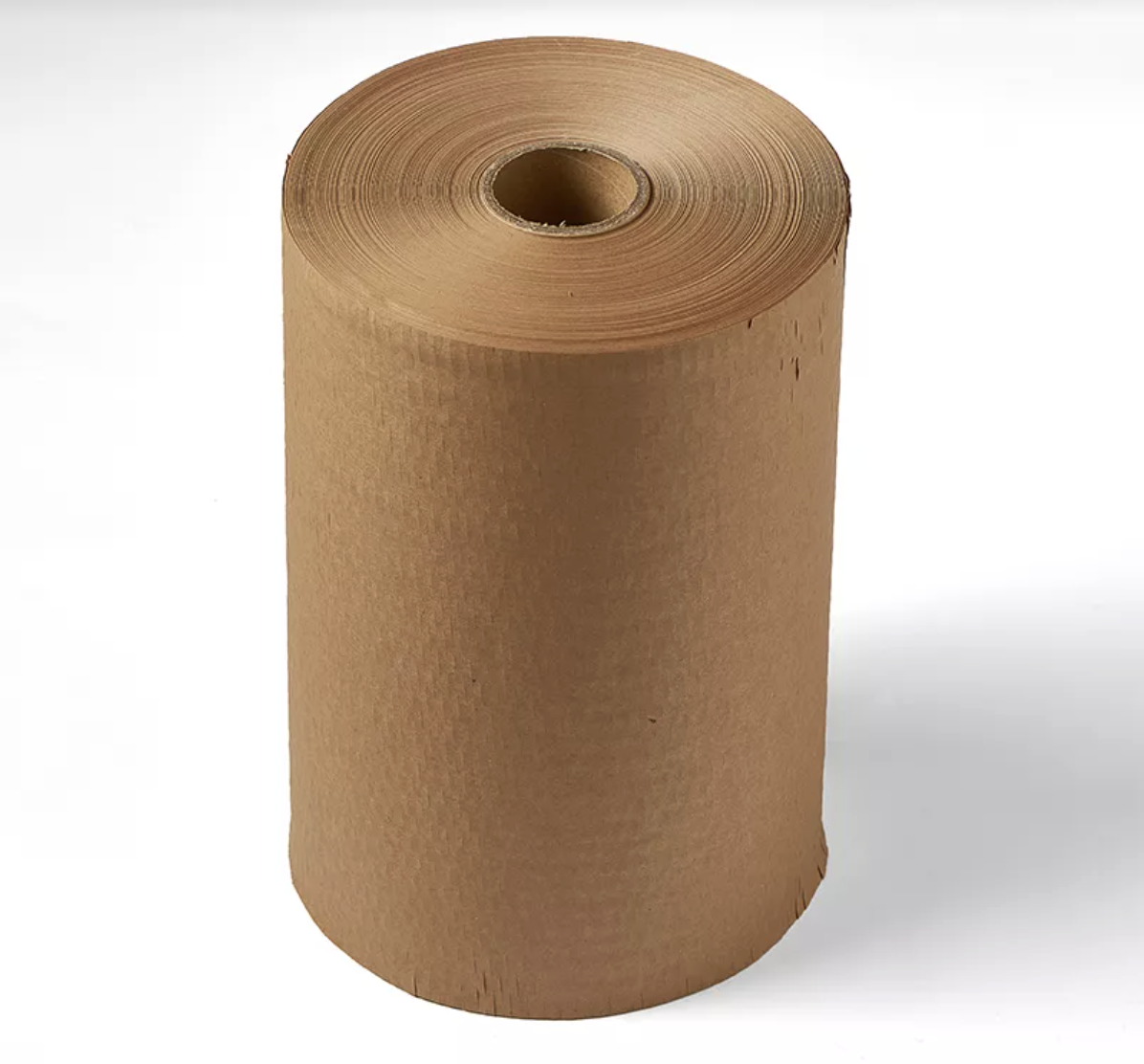
Honeycomb packing paper is made from kraft paper and formed into a hexagonal cell structure. This innovative design provides cushioning and shock absorption, making it an excellent protective material for fragile goods. Honeycomb paper is lightweight yet strong, offering a sustainable option to plastic-based packaging.
Honeycomb paper is produced by layering sheets of kraft paper in a honeycomb pattern. The paper is bonded with eco-friendly adhesives and then cut into sheets or rolls. The resulting product is lightweight but durable, capable of absorbing shocks and protecting items during shipping. The honeycomb structure provides added strength while keeping material usage minimal.
Honeycomb paper is not only lightweight and biodegradable, but it also excels at reducing shipping costs due to its efficient use of material. It’s highly protective, ensuring that fragile items stay safe during transit. Additionally, it’s customizable to fit different packaging needs, from wrapping fragile items to filling voids in shipping boxes.
For maximum protection, honeycomb paper needs to be stretched to its full three-dimensional honeycomb structure. This stretch creates a cushion that absorbs impacts during shipping. Avoid using honeycomb paper flat as it won’t offer sufficient protection. Be sure to stretch the material fully to achieve the desired protective effect.
When wrapping fragile items, such as glassware, electronics, or ceramics, multiple layers of honeycomb packing paper should be used. Wrap the items tightly, ensuring the honeycomb structure forms a protective barrier. The more layers used, the better the cushioning, reducing the chance of breakage during handling and shipping.
Once you have wrapped the fragile item with honeycomb paper, secure it tightly but without compressing the honeycomb structure. Use eco-friendly tape to hold the material in place, ensuring the wrap doesn’t shift during transit. Properly securing the honeycomb paper ensures that the protective layers stay intact and provide the best protection.
After wrapping your items, use honeycomb packing paper to fill any empty spaces in the shipping box. The paper will keep the items snug and prevent them from moving around during transportation. It’s essential to use enough paper to avoid shifting, which could damage your items.
While both bubble wrap and honeycomb paper offer excellent protection, honeycomb paper is a more sustainable choice. Unlike bubble wrap, which is made from plastic, honeycomb paper is biodegradable and recyclable. It provides similar shock absorption without the environmental impact, making it an eco-friendly alternative to plastic.
Tip: When opting for packaging materials, choose honeycomb paper over bubble wrap for an eco-friendly solution. Unlike plastic-based bubble wrap, honeycomb paper is biodegradable and recyclable, providing the same protective qualities without harming the environment.
Foam peanuts are less stable than honeycomb packing paper. They tend to shift inside the box, leaving gaps that can expose items to damage. Honeycomb paper, on the other hand, provides a more stable and snug fit, ensuring that items are well-protected and less prone to shifting during transit.
Plastic packaging is non-biodegradable, making it harmful to the environment. Honeycomb paper offers a sustainable solution with comparable protective qualities. It is biodegradable and can be recycled, which makes it a more responsible choice for businesses and consumers who are focused on reducing plastic waste.
Honeycomb packing paper is ideal for protecting fragile items like glass, ceramics, and electronics. Its shock-absorbing properties cushion the items, reducing the risk of breakage during transport. It provides a reliable solution for packaging delicate items, ensuring they arrive safely.
E-commerce businesses use honeycomb packing paper to package products for shipment. Its eco-friendly properties and durability make it a popular choice for companies committed to sustainability. Honeycomb paper ensures that items are securely packed while offering a protective, recyclable alternative to plastic-based materials.
In industrial settings, honeycomb packing paper is used to package large and heavy items, such as machinery parts and automotive components. Its strength and shock-absorbing properties make it an excellent choice for protecting large items during shipping, ensuring they remain intact despite rough handling.
Always stretch the honeycomb paper to form the full hexagonal structure. This three-dimensional shape creates an effective cushioning barrier, absorbing shocks and impacts during transit. By stretching the paper, you maximize its shock-absorbing properties, providing better protection for your items. Avoid using it flat as it will not provide the necessary cushioning, and may expose fragile items to damage.
For fragile or breakable items, avoid using a single layer of honeycomb packing paper. One layer doesn’t offer enough cushioning to protect against impacts or rough handling. Multiple layers are essential to ensure your items remain secure during shipping. The more layers you use, the better the protection, especially for delicate goods like glassware or electronics. Ensure the honeycomb structure is intact and not compressed.
When packing items in boxes, make sure there are no empty spaces left between items. Use honeycomb paper to fill these gaps, ensuring that your items are securely packed and unable to shift during transit. Shifting during shipment can lead to damage, so the extra cushioning provided by honeycomb paper acts as a buffer. Properly filling voids in your packaging adds an extra layer of protection and improves the overall stability of your packages.
Honeycomb packing paper is an environmentally friendly packaging option. Made from recyclable kraft paper, it is fully biodegradable and compostable, making it a sustainable alternative to plastic-based materials. Its eco-friendly nature helps reduce waste and the carbon footprint associated with packaging.
By opting for honeycomb packing paper, businesses can significantly reduce their carbon footprint. The material is renewable and made from sustainable resources, which aligns with green packaging initiatives. Its use helps companies reduce their environmental impact and adopt more responsible packaging practices.
| Material/Feature | Honeycomb Paper | Bubble Wrap | Plastic | Foam Peanuts |
|---|---|---|---|---|
| Transparency | Semi-transparent, provides some visibility | Transparent | Opaque and non-transparent | Opaque |
| Grease Resistance | Excellent | Moderate | Excellent | Good |
| Moisture Resistance | Excellent | Moderate | Excellent | Moderate |
| Biodegradability | Biodegradable and recyclable | Non-biodegradable | Non-biodegradable | Non-biodegradable |
| Shock Absorption | Excellent, high shock resistance | Good cushioning | Poor, does not absorb shock | Good, but less stable |
| Uses | Packaging fragile items, e-commerce, industrial packaging | Packaging, wrapping, cushioning | Packaging, bags, containers | Cushioning, filling voids |
Honeycomb packing paper is an eco-friendly, strong, and cost-effective packaging solution that provides excellent protection for products during transit. Whether you’re packaging fragile items, filling empty spaces in boxes, or seeking an environmentally responsible alternative to plastic, honeycomb packing paper is a versatile choice for both consumers and businesses alike. For businesses aiming to reduce their environmental impact, Honeycomb Paper from Tarlson Paper Global Co., Ltd. is an excellent option. It provides reliable protection while supporting sustainability practices. With its biodegradable, recyclable properties, it’s an ideal choice for those looking to transition to greener packaging solutions.
A: Honeycomb paper is used for packaging fragile items, providing excellent cushioning and shock absorption. It’s ideal for wrapping glassware, electronics, and other delicate products during transit.
A: To protect fragile items, wrap them with multiple layers of honeycomb paper, ensuring the material is stretched to form a full hexagonal structure. This will provide optimal cushioning.
A: Yes, honeycomb paper is biodegradable and recyclable, making it a more sustainable choice than plastic-based packaging materials. It offers comparable protection without the environmental impact.
A: Absolutely! Honeycomb paper can be used to fill empty spaces in shipping boxes. This prevents items from shifting during transit, ensuring they remain secure and protected.
A: While both offer cushioning, honeycomb paper is more eco-friendly than bubble wrap. It’s biodegradable, recyclable, and provides similar shock absorption without the plastic waste.


