Views: 0 Author: Site Editor Publish Time: 2026-05-18 Origin: Site
Unboxing is no longer just a functional step in retail fulfillment. It serves as your primary physical touchpoint with an online buyer. Small businesses desperately need to elevate this unboxing experience to drive brand loyalty. However, you must constantly balance premium aesthetics against strict unit economic constraints. Your packaging budget leaves little room for error. How do you build brand affinity without eroding profit margins?
Framing your packaging strictly as an aesthetic upgrade is a strategic mistake. We view it as a verifiable touchpoint. Careful presentation inherently increases perceived product value. This guide skips basic fluff. We cover practical design frameworks directly. You will learn critical material compliance rules, especially regarding food safety. Finally, we establish strict vendor evaluation criteria. These actionable steps will help you make a highly profitable packaging decision today.
Custom tissue paper transitions a brand from commodity shipping to a premium retail experience, but requires strict attention to per-order margin impact.
Design complexity impacts cost: Step-and-repeat single-color logos offer the highest ROI for small businesses.
Material compliance is non-negotiable: Using standard tissue for culinary products is a liability; certified eco-friendly food-safe wrapping paper is required.
Minimum Order Quantities (MOQs) and hidden setup/plate fees are the primary risks when shortlisting B2B vendors.
Many independent retailers struggle to justify additional packaging expenses. You must measure the exact return on investment for any new material. Premium unboxing moments actively encourage user-generated content. Customers naturally love sharing beautiful packages online. This organic social sharing acts as highly effective, free marketing. Furthermore, thoughtful wrapping instantly elevates your perceived product value. Buyers subconsciously associate careful presentation with premium item quality. This positive psychological effect frequently reduces return rates.
Next, we must conduct a strict cost reality check. You must evaluate every cent spent on shipping supplies. Let us break down the exact cost-per-package addition. Compare the fractional cost of a lightweight sheet against heavier alternatives. Rigid custom mailer boxes look incredible, but they cost dollars per unit. Conversely, a printed sheet adds pennies to your total order cost. It provides luxurious volume and texture inside standard mailers for a fraction of the price.
Small businesses constantly face a dilemma regarding brand perception versus budget. You want a boutique feel for your customers. Unfortunately, committing thousands of dollars to bulk inventory feels dangerous. Cash flow matters immensely to growing brands. Balancing a high-end presentation against budget restrictions requires strategic planning. You can achieve this balance by optimizing your design choices and selecting the right supplier tier.
Calculate your current average order value before upgrading packaging.
Ensure packaging costs never exceed three percent of the total product margin.
Start with a small pilot run to measure customer response.
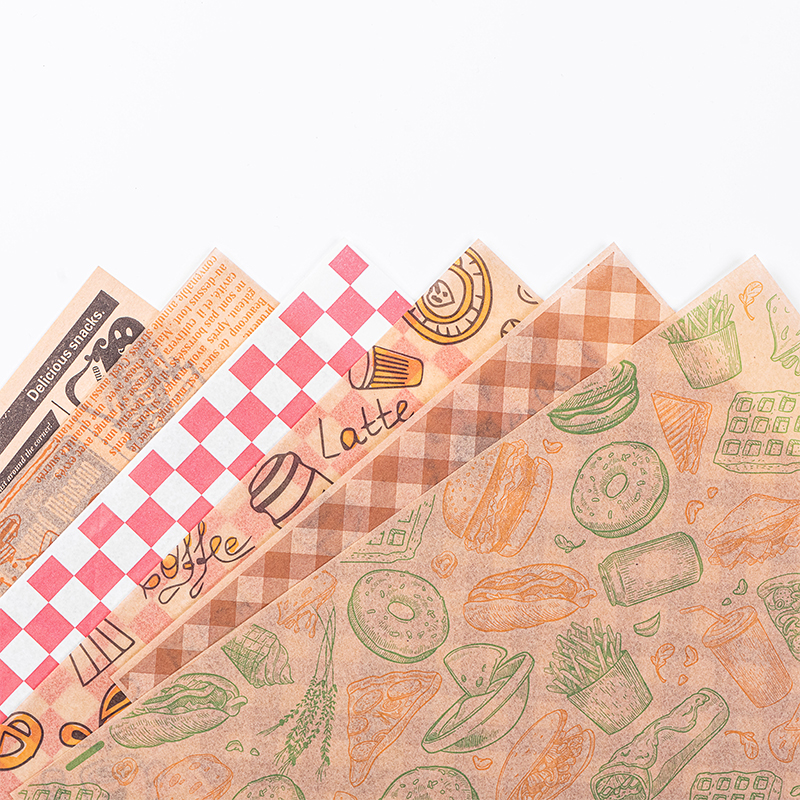
Investing in Custom Printed Tissue Paper does not require complex illustrations. Simple designs often yield the most sophisticated results. You can deploy several cost-effective frameworks to maximize visual impact while minimizing printing fees.
The Step-and-Repeat Logo: This remains the industry standard for good reason. It proves highly cost-effective because it typically requires only a one-color print. You simply select a solid Pantone color for your logo. The repeating pattern easily masks minor wrapping wrinkles. When customers crinkle the paper, the design still looks intentional and pristine.
Minimalist Edge Printing: Consider printing only on the borders or the exact center-point. This method drastically reduces total ink usage. It creates a clean, high-end boutique aesthetic. Luxury brands frequently use edge printing to convey modern minimalism.
Utility-First / Educational Designs: Stop buying separate cardstock inserts. You can print care instructions, QR codes, or brand manifestos directly on the wrapper. This utility-first approach eliminates the need for extra insert cards. You save money on materials and reduce assembly time per order.
Seasonal/Limited Edition Swaps: Maintain a standard base color year-round. However, change a simple one-color ink for major holiday pushes. This strategy keeps your minimum order quantities relatively low. At the same time, it offers your repeat buyers a refreshed seasonal experience.
Many new brands attempt to print full-color photographs or highly intricate, four-color graphics. This approach dramatically increases your plate setup fees. Furthermore, complex graphics look chaotic and distorted once the paper folds around a product. Always prioritize simplicity and high contrast.
Selecting the correct base material is just as important as your visual design. You must understand industry specifications to ensure your packaging functions correctly. Different products require entirely different paper weights and chemical compositions.
Manufacturers measure paper thickness in GSM. The standard weights typically range between 17gsm and 28gsm. A 17gsm sheet feels light and translucent. It serves as the standard choice for apparel and lightweight cosmetics. Conversely, 28gsm offers substantial durability and high opacity. You should select heavier weights for premium leather goods, glass bottles, or items with sharp corners.
GSM Weight | Characteristics | Best Used For |
|---|---|---|
17gsm | Light, crisp, highly translucent. | Apparel, soft goods, lightweight jewelry. |
22gsm | Medium opacity, balanced durability. | Books, small electronics, cosmetics. |
28gsm | Thick, opaque, tear-resistant. | Heavy garments, luxury shoes, hardware. |
Consumers actively demand sustainable packaging solutions. However, you must look past vague marketing claims. True sustainability relies on verifiable factors. Look for FSC-certified wood pulp, which ensures responsible forestry management. Always specify acid-free paper to prevent your goods from tarnishing over time. Request soy-based or water-based inks instead of petroleum alternatives. We strongly warn against greenwashing claims from unverified overseas suppliers. Always ask for digital copies of their environmental certifications.
You must explicitly separate standard retail packaging from culinary applications. Standard retail sheets contain optical brighteners and non-tested dyes. If you sell baked goods, using these standard sheets is a massive safety liability. You must detail your requirements for Eco-Friendly Food-Safe Wrapping Paper. This specific material undergoes strict testing.
Culinary items require grease-resistant properties. The base materials must meet FDA or FSA compliance standards. The manufacturer must use certified food-grade inks that will not bleed. You must highlight to your fulfillment team that standard retail wraps cannot be used as direct-contact Food Paper. Chemicals from standard inks can easily leach into oils and fats, creating severe health hazards and regulatory fines.
Your current order volume dictates your optimal procurement strategy. Sourcing strategies evolve as your monthly shipments grow. We break down the three primary tiers of packaging procurement below.
Many founders begin by purchasing blank sheets and a custom rubber stamp. This method works best for micro-businesses shipping under fifty orders per month. It carries zero minimum order quantities. You only buy what you need today. However, the reality is quite harsh. Stamping is incredibly labor-intensive. It yields inconsistent ink application. As your sales grow, this manual process becomes a significant operational bottleneck.
Platforms like Etsy or Amazon offer low-volume print-on-demand services. This tier works best for testing the waters. You can typically order between 100 and 250 sheets. Turnaround times are remarkably fast. However, you will face a significantly higher cost-per-sheet. These platforms also offer limited customization regarding exact color matching or paper weights. They serve perfectly as a bridge before committing to large volumes.
Scaling businesses must eventually transition to dedicated B2B packaging suppliers. This tier optimizes your unit economics drastically. Ordering 500 or 1,000 sheets drives the per-unit cost down to pennies. You unlock custom Pantone color matching and specific eco-certifications. The reality involves larger upfront capital expenditure. You must also manage longer lead times. However, the professional finish and margin improvements make this mandatory for growing brands.
Choosing a reliable manufacturing partner requires due diligence. Do not finalize an order based solely on an attractive website. Use this structured checklist to evaluate potential vendors and protect your investment.
Professional vendors require high-quality vector files. You must provide your logo in .AI or .EPS formats. Ensure you know your exact CMYK or Pantone solid color codes. We strongly warn against uploading low-resolution JPEG images. Raster images lead to blurry, pixelated prints that ruin your brand presentation. Vector files allow the printer to scale your design infinitely without losing any sharpness.
Advertised per-sheet prices rarely tell the whole story. You must instruct buyers to ask about hidden fees upfront. Inquire specifically about cylinder or plate fees required for your custom design. Ask if they charge die-cut fees for custom sizing. Most importantly, calculate the shipping costs. Paper becomes very heavy in bulk. Freight charges can sometimes exceed the cost of the product itself if you source overseas.
Never approve full production without reviewing a digital proof. Demand a PDF mockup from the supplier. You need to look for specific details. Check the bleed margins to ensure your design does not cut off awkwardly. Verify the scale of the logo relative to the actual sheet size. Check for ink trapping, which ensures overlapping colors do not bleed into one another improperly.
Proper inventory planning prevents fulfillment delays. You must factor in sampling time. A physical sample usually takes one to two weeks to arrive. Mass production adds another two weeks. If you source your materials overseas to save money, ocean freight can take three to six weeks. Always plan your holiday packaging orders by August to avoid seasonal logistics crises.
Elevating your unboxing experience is a verified method for increasing customer loyalty. You must navigate this process by carefully analyzing your decision matrix. Start by calculating the exact unit cost your margins can absorb safely. Select a simple, one-color repeating design to minimize financial risk and setup fees. Above all, ensure your material matches your specific product category, especially regarding FDA compliance for culinary items.
Take immediate action today. Audit your current fulfillment costs to find your budget baseline. Locate and download your high-resolution vector logos. Finally, reach out to two or three shortlisted B2B suppliers and request physical sample kits. Comparing physical samples in your office is the best way to finalize your packaging upgrade.
A: The MOQ depends entirely on your vendor tier. Print-on-demand platforms typically allow orders as low as 100 sheets. Standard B2B packaging suppliers usually require minimums between 500 and 1000 sheets to absorb setup costs.
A: No. Standard retail wrapping contains dyes and brighteners that are unsafe for consumption. You must reinforce the need for certified food-safe wrapping paper to prevent toxic chemical leaching into your products.
A: It provides a highly affordable premium touch. Typically, it adds a baseline of $0.10 to $0.50 per sheet. The final price fluctuates depending on your total volume, paper weight, and ink complexity.
A: Yes. Every additional color requires a separate printing plate and setup process. This significantly increases your upfront plate cost and the overall per-sheet price. Single-color designs offer the best ROI.