Views: 0 Author: Site Editor Publish Time: 2026-05-11 Origin: Site
In e-commerce, the physical unboxing experience stands alone. It represents the only marketing touchpoint enjoying a 100% open rate. When customers slice open a delivery box, their first tactile interaction shapes brand perception immediately. However, sourcing custom packaging frequently introduces frustrating roadblocks. Brands often face unexpected margin erosion, disastrous color-matching failures, or flimsy materials tearing during warehouse fulfillment. You need reliable, scalable solutions.
This no-nonsense, technical guide helps you evaluate specifications, pricing models, and vendor reliability comprehensively. We will explore how proper material selection prevents product damage. You will discover methods to verify eco-friendly claims and avoid deceptive greenwashing. By understanding these technical nuances, you can ensure your packaging elevates brand perception seamlessly. Let us dive into the mechanics of sourcing high-quality materials without sacrificing your profit margins.
Paper weight (GSM) determines both durability and translucency; match the GSM to the product's structural needs.
Acid-free materials are non-negotiable for fashion, footwear, and leather goods to prevent chemical tarnish over time.
Total cost of ownership goes beyond the per-sheet price—always factor in Minimum Order Quantities (MOQs), setup fees, and shipping.
True eco-friendly packaging requires verified certifications (e.g., FSC-certified paper, soy-based inks), not just "green" marketing claims.
Move beyond viewing packaging as mere utility. Transitioning protective filler into a premium branding asset changes customer behavior entirely. Think about the unboxing return on investment. Tactile packaging directly drives user-generated content and social sharing. A thoughtful presentation reduces perceived shipping wait times. It also increases repeat purchase rates significantly. Customers remember brands who prioritize the details.
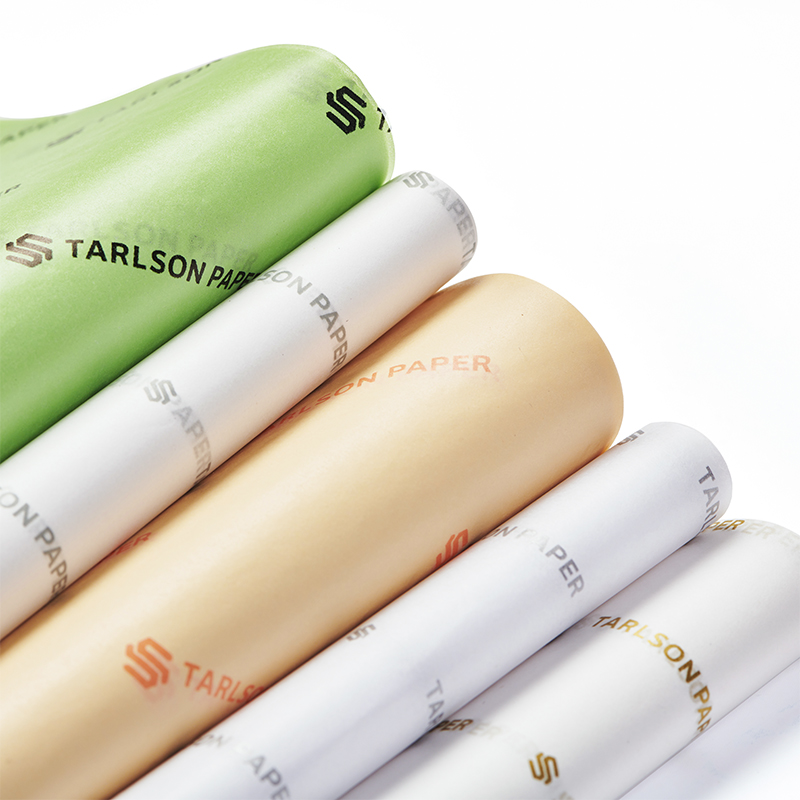
Industry applications vary widely based on specific product needs. For apparel retailers, utilizing Branded Wrapping Tissue Paper for Fashion Packaging delivers a soft-touch presentation. This mimics high-end boutique retail experiences right inside the shipping mailer. The auditory crackle of crisp paper elevates the perceived value of garments.
When shipping footwear, proper packaging offers vital moisture-wicking properties. Shoes endure long transit times across varying climates. Breathable paper prevents mold buildup while providing essential scuff prevention against cardboard edges. For Handbag packaging, acid-free variants become strictly essential. Standard papers contain residual chemicals from the bleaching process. Acid-free options protect sensitive leathers and delicate metal hardware from destructive oxidation and irreversible color transfer over time.
Understanding GSM (Grams per Square Meter) proves critical to your procurement process. It dictates both opacity and structural strength. You must match the GSM precisely to your product requirements.
17-18 GSM: This serves as the industry standard. It remains highly translucent and lightweight. You will find it ideal for layering and wrapping standard apparel.
28-30 GSM: This represents premium thickness. It feels opaque, crisp, and highly tear-resistant. Choose this heavier weight for sharp-edged boxes, heavy items, or luxury goods requiring structural integrity.
Next, evaluate coated versus uncoated finishes carefully. Machine Glazed (MG) finishes provide a smooth, subtle sheen on one side. The manufacturing process presses the wet paper against a massive polished cylinder. This creates a glossy front and a matte back. Conversely, Machine Finished (MF) options deliver a matte, highly tactile, natural feel on both sides. MF absorbs ink differently, often resulting in softer, muted colors.
Sizing requires accurate calculation based on your primary mailers or boxes. You should build a sizing framework to avoid excess waste.
Measure your most common shipping box interior dimensions.
Calculate the wrap-around overlap needed for your product.
Select 15" x 20" sheets for small accessories, cosmetics, or jewelry.
Select 20" x 30" sheets for shoeboxes, bulky sweaters, or large retail items.
Specification | Characteristics | Best Use Cases |
|---|---|---|
17 GSM (Standard) | Translucent, flexible, delicate | T-shirts, light accessories, inner box filler |
28 GSM (Premium) | Opaque, crisp, sturdy | Heavy garments, sharp items, luxury presentation |
Machine Glazed (MG) | Smooth, one-sided sheen | Vibrant logo printing, sleek aesthetics |
Machine Finished (MF) | Matte, natural texture | Eco-friendly branding, subtle designs |
Selecting the right print method impacts both visual quality and overall budget. Flexographic printing offers highly cost-effective solutions for high-volume runs. It uses flexible relief plates wrapped around rotating cylinders. This method dominates large-scale packaging due to its speed. Offset printing provides superior detail for intricate logos. It requires higher initial setup times but delivers unmatched sharpness for complex artwork.
Consider your ink and color strategies carefully to maximize ROI. Single-color step-and-repeat patterns usually yield the highest return. They keep setup plate costs exceptionally low while maintaining strong brand visibility. Multi-color and Pantone (PMS) matching ensure strict brand compliance. This precision matters greatly for globally recognized logos requiring exact color replication. Foil stamping and metallic inks create an undeniably premium look. However, you must note they severely limit recyclability.
Implementation risks demand close attention during the design phase. Bleed-through issues occur frequently in this industry. Heavy ink coverage on low GSM paper saturates the thin fibers. Avoid high-density solid backgrounds entirely. Heavy moisture from large ink areas causes severe paper curling. This compromises the sheet's structural integrity before it even reaches your fulfillment center.
Keep your logo spacing generous. Cluttered designs overwhelm the eye and increase ink usage unnecessarily. Always request your designer to create vector files. Raster images often appear blurry when printed on porous, uncoated surfaces.
Material sourcing defines your actual environmental impact. You must demand FSC (Forest Stewardship Council) certification immediately from vendors. It ensures responsible forestry practices exist throughout the entire supply chain. This certification guarantees trees are harvested ethically and sustainably.
Eco-friendly inks matter just as much as the paper itself. Transition your operations away from standard petroleum-based options. Insist on soy-based or water-based inks to ensure proper compostability. Petroleum inks release volatile organic compounds during drying and complicate the recycling process.
End-of-life realities often confuse end consumers. You must clarify specific terms transparently. "Recyclable" means facilities can process it into new materials. "Biodegradable" implies it breaks down naturally over time. "Commercially compostable" means it requires specific high-heat industrial facility conditions to decompose safely. Educate your customers by printing brief disposal instructions directly on the paper.
Always spot greenwashing early during vendor evaluations. Ask suppliers for definitive, verifiable supply chain certifications. Do not accept vague "earth-friendly" or "green" marketing claims blindly. If a supplier cannot produce an active FSC certificate number, look elsewhere.
Let us break down the cost-per-unit metrics. Sheet size, ink colors, and GSM directly impact your final price. Larger sheets and thicker paper naturally increase base material costs. Every additional color requires a separate printing plate and press run. You must account for setup fees and tooling upfront. One-time plate fees affect your initial order significantly but disappear on exact reorders.
Navigating Minimum Order Quantities shapes your entire buying strategy. Startups and independent sellers benefit from low-MOQ digital print options. These carry a higher per-unit price but dramatically lower upfront risk. Enterprise and wholesale buyers utilize tiered pricing models. The cost-per-sheet drops significantly once you pass the 10,000-unit mark. High-volume runs amortize setup costs efficiently across thousands of sheets.
Hidden costs often disrupt procurement budgets. Always factor in volumetric shipping weights. Lightweight paper stacked on pallets still consumes massive cargo space. Freight carriers charge based on dimensional volume, not just physical weight. Consider lead times carefully when choosing between overseas and domestic manufacturing. Overseas production offers cheaper unit costs but requires expensive ocean freight and lengthy customs clearance.
The proofing process prevents catastrophic production errors. Always require a digital proof before proceeding with any deposit. Request a physical pre-production sample for large or color-critical runs. Digital screens display colors in RGB, while presses print in CMYK or Pantone. A physical sample reveals exactly how the ink interacts with the porous paper fibers.
Quality assurance relies on proper standardized testing. Ask vendors about their ink rub-off testing protocols. This process is known as crocking. Crocking occurs when dry ink transfers onto the packaged product through friction. Reputable vendors use colorfast inks and perform rigorous rub tests to guarantee your products remain pristine.
Align lead times and turnaround schedules carefully. Custom print production often takes one to three weeks. Sync this timeline with your seasonal fulfillment calendar. Service levels differentiate good partners from excellent ones. Evaluate if the vendor offers integrated design tools for easy mockups. Check if they require perfectly formatted, print-ready dielines instead. Strong vendor support saves countless hours during the prepress phase.
Procuring Custom Printed Tissue Paper serves as a high-impact, low-cost lever for powerful brand differentiation. When sourced correctly, it transforms an ordinary delivery into a memorable customer experience. Quality packaging communicates value before the customer even sees the actual product. It protects delicate items while reinforcing your brand identity effortlessly.
Start your journey by auditing your product's specific protection needs carefully. Determine the exact GSM and acid-free requirements first. Do this before falling in love with a complex, multi-color design. Functionality must always precede aesthetics in structural packaging.
Your action-oriented next steps:
Audit your top three best-selling items to determine ideal sheet dimensions.
Request a comprehensive sample pack from your top three shortlisted vendors.
Test paper weight durability in person by wrapping your actual products.
Evaluate print clarity and color vibrancy under natural lighting conditions.
Verify rub-off resistance by conducting a manual friction test on the printed samples.
A: Yes, provided it uses water-based or soy inks and avoids metallic foils or heavy plastic coatings. Standard uncoated variants recycle easily in municipal systems. Always verify the ink type with your supplier beforehand.
A: Acid-free paper is processed without harsh chemicals. It maintains a neutral pH level. It is absolutely mandatory for the long-term storage of fashion, textiles, and jewelry to prevent fabric yellowing or metal tarnishing.
A: Specify colorfast, high-quality inks with your chosen vendor. Request a physical crocking test. Furthermore, avoid excessive heavy-fill background designs on standard 17 GSM paper, as heavy saturation increases rub-off risks.
A: Typically 7 to 15 days depending on the printing method, vendor location, and production queue. Repeat orders usually process faster because they skip the initial plate creation and prepress approval stages.