
Views: 0 Author: Site Editor Publish Time: 2026-03-31 Origin: Site
In today's competitive market, packaging has evolved far beyond a simple protective shell. It is now a critical part of the customer journey, with the "unboxing experience" serving as a powerful driver of satisfaction and retention. Among the tools available to brands, tissue wrapping paper stands out as a versatile and high-impact element. It acts as both a functional cushion and a canvas for brand expression. This guide explores the strategic shift from basic gift-wrapping to a professional standard for retail and e-commerce, where every layer tells a story. You will learn how to select the right materials, master professional techniques, and leverage tissue paper to elevate your brand's presentation, ensuring your products make a memorable first impression.
Strategic Utility: Tissue paper serves as a cost-effective alternative to plastic-based void fillers while enhancing perceived value.
Material Matters: Choosing between standard and durable waxed tissue paper depends on the moisture-resistance and structural needs of the product.
Technique Consistency: Mastering methods like the "Bouquet" or "Boutique Wrap" ensures brand consistency across high-volume fulfillment.
Sustainability: Tissue paper offers a lower environmental footprint compared to traditional gift wraps, appealing to eco-conscious consumer segments.
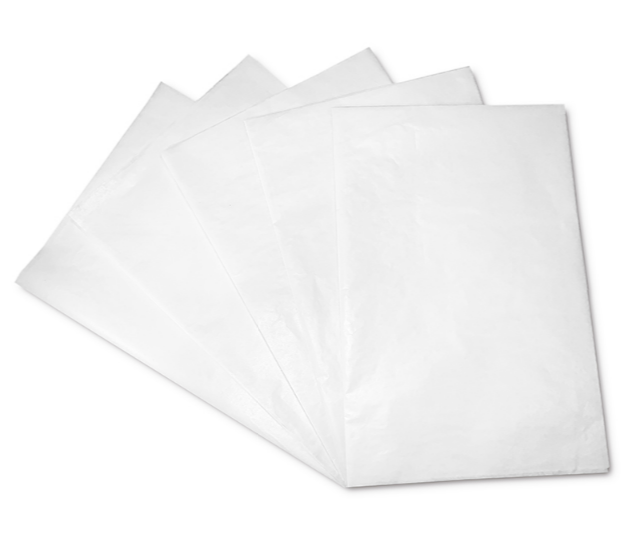
Selecting the correct tissue wrapping paper is the foundation of a successful packaging strategy. This choice impacts product safety, brand perception, and even operational costs. Before committing to a specific type, businesses must evaluate their product needs, brand aesthetic, and sourcing logistics to find the perfect match.
The material itself is the most critical variable. Different products demand different levels of protection and chemical properties. The three most common professional-grade options each serve a distinct purpose.
Waxed Tissue: This paper is coated with a thin layer of wax, making it moisture-resistant and more durable. It's an ideal choice for food items, fresh flowers, or products shipped to humid climates. The coating on durable waxed tissue paper for all-purpose wrapping also provides a slight barrier against friction, which is useful for items with delicate surfaces that might scuff during transit.
Acid-Free Tissue: Essential for archival purposes and luxury goods. Standard paper contains acids that can degrade over time, causing discoloration (yellowing) and damage to sensitive materials. Acid-free tissue is chemically neutral, making it safe for long-term contact with textiles, photographs, fine art, and precious metals. Using it signals a commitment to quality and preservation.
Standard Tissue: This is the versatile workhorse for general retail and e-commerce. It offers basic cushioning and aesthetic appeal for a wide range of non-sensitive products like apparel, books, and home goods.
| Paper Type | Key Feature | Ideal For | What to Watch For |
|---|---|---|---|
| Waxed Tissue | Moisture and grease resistance | Food items, metal parts, flowers, cosmetics | Recyclability can vary based on wax type (soy vs. paraffin) |
| Acid-Free Tissue | Chemically neutral (archival quality) | Luxury apparel, leather goods, jewelry, photos | Slightly higher cost per sheet |
| Standard Tissue | Cost-effective and versatile | General retail, books, home goods, void fill | Not suitable for sensitive or moist items |
GSM, or grams per square meter, is the standard measurement for paper density and weight. For tissue paper, a lower GSM (around 10-17 GSM) results in a more translucent, delicate feel. This is excellent for layering colors and creating an ethereal aesthetic. A higher GSM (18-30 GSM) provides greater tensile strength and opacity. It feels more substantial and offers better protection against minor scuffs and tears. The right choice depends on balancing your desired look with the required level of protection for your products.
For businesses using tissue paper at scale, consistent quality and supply are paramount. Partnering directly with a specialized waxed tissue paper manufacturer offers several advantages over generic suppliers. A manufacturer can guarantee color consistency across batches, which is crucial for maintaining brand identity. They also provide options for custom printing, allowing you to integrate logos, patterns, or specific brand colors directly onto the paper. This turns a simple protective layer into a powerful branding tool, reinforcing your "Color Story" and creating a cohesive unboxing experience.
Once you've selected the right paper, consistent execution is key to delivering a professional and memorable customer experience. Mastering a few core techniques ensures that every package leaving your facility reflects your brand's high standards. These methods are designed for both beauty and efficiency, allowing your team to work quickly without sacrificing quality.
This is the classic, go-to technique for filling gift bags. It creates a voluminous, celebratory burst of color that instantly elevates the presentation. It’s fast, easy to teach, and delivers a consistent "WOW factor."
Layer Your Sheets: Take two to four sheets of tissue paper. For a dynamic look, layer different colors that align with your brand identity. Stagger them slightly so the edges of each color are visible.
Find the Center: Lay the sheets flat and find the approximate center.
Pinch and Lift: Gently pinch the center of the sheets and lift them straight up. The paper should drape down like a ghost.
Flip and Secure: In one smooth motion, flip the paper over so the pinched point is now at the bottom. Hold this point like you would a bouquet of flowers.
Insert and Fluff: Place the "bouquet" into the gift bag, positioning it to one side of the gift. Repeat the process with another bouquet for the other side if needed. Gently separate and "fluff" the top layers to create maximum volume and shape.
Pro Tip: Use one solid brand color and one complementary accent color. This adds depth without looking chaotic.
The Boutique Wrap is perfect for individual items, especially those with irregular shapes that are difficult to wrap with traditional paper. This technique creates a sense of anticipation and makes the product feel more special.
Odd-Shaped Items: For items like candles, bottles, or small sculptures, lay the product in the center of a few sheets of tissue. Bring the corners of the paper up and gather them around the top of the item. Secure the gathered paper with a ribbon, twine, or a branded sticker. This method molds perfectly to any shape.
Creating a Reveal Moment: For smaller items like jewelry boxes or cosmetics, use a single sheet to wrap the product like a traditional gift. Instead of tape, use a branded seal or sticker to secure it. This small touch forces the customer to break the seal, creating a deliberate and satisfying "reveal" moment before they even see the primary packaging.
This is a more advanced, high-end technique ideal for lining gift boxes for luxury apparel, subscription boxes, or corporate gifts. The accordion fold creates a neat, textured base that speaks to craftsmanship and attention to detail.
To create it, take a single large sheet of tissue paper and fold it back and forth in one-to-two-inch increments, like you're making a paper fan. Once folded, place it in the bottom of the box and gently spread it open. The resulting pleated texture provides a beautiful cushion for your products to rest on, transforming the interior of the box from a simple container to a stage.
Beyond general gift wrapping, tissue paper plays a crucial structural and protective role in specific product categories. For luxury items like handbags, proper packaging is not just about aesthetics—it's about preserving the item's value and structural integrity from the warehouse to the customer's hands.
Using tissue for handbag packaging and stuffing is the industry standard for maintaining a bag’s silhouette during shipping and storage. An empty handbag can easily crease, sag, or lose its intended shape. Acid-free tissue paper is the preferred material here to prevent any chemical transfer to leather or delicate linings.
The goal is to provide support without creating tension. Instead of tightly wadding paper into a hard ball, which can stretch the material, loosely crumple several sheets. Create soft, airy puffs of tissue and gently place them inside the main compartments and pockets. The paper should fill the space and support the bag's structure without pushing against the sides. This ensures the handbag arrives looking full and store-perfect, not distorted.
High-end handbags often feature metal hardware like buckles, zippers, and chain straps. During transit, these components can shift and scratch the bag's leather or fabric, or even tarnish from contact with other materials. The professional solution is to wrap each piece of hardware individually.
Method: Cut small squares of acid-free tissue paper.
Application: Carefully wrap each metal buckle, zipper pull, and strap attachment point. You can secure the paper with a small piece of low-tack tape.
For Chains: Weave a long, thin strip of tissue paper through the links of a chain strap to prevent them from clanking together and causing damage.
This meticulous process prevents scratches and communicates an exceptional level of care to the customer.
In e-commerce fulfillment, every gram counts. Bulky void-fill materials like plastic air pillows and packing peanuts add volume and weight to shipping boxes, increasing costs. Tissue paper offers a lightweight, effective, and visually appealing alternative.
Instead of using plastic fillers, you can layer sheets of tissue paper on the top and bottom of the product to provide cushioning. For extra protection, you can create your own paper shreds by running colored tissue paper through a paper shredder. This custom shred not only protects the item from shifting but also turns the inside of the shipping box into a vibrant, on-brand experience, delighting the customer as soon as they open the flap.
Investing in quality tissue paper isn't just an expense; it's a strategic decision that delivers a tangible return. While the per-sheet cost is minimal, its impact on perceived value, customer loyalty, and operational efficiency is significant. Understanding the Total Cost of Ownership (TCO) involves looking beyond the purchase price to see how premium packaging solutions positively affect the entire business.
A single sheet of custom-branded tissue paper might cost as little as $0.05. However, the value it adds to the customer experience is exponentially higher. When a customer receives a product that is thoughtfully wrapped, it immediately elevates the item's perceived worth. This small gesture can justify a premium price point and significantly reduce post-purchase dissonance, or "buyer's remorse." It frames the purchase not as a mere transaction, but as a luxury experience, making the customer feel valued and confident in their decision.
| Packaging Element | Approx. Unit Cost | Customer Impact | Return on Investment |
|---|---|---|---|
| Plastic Air Pillow | $0.03 - $0.07 | Functional, but generic and disposable | Low (Prevents damage only) |
| Standard Tissue Paper | $0.02 - $0.05 | Adds color, feels intentional | Moderate (Improves presentation) |
| Branded/Premium Tissue | $0.05 - $0.15 | Feels luxurious, reinforces brand identity | High (Builds loyalty and perceived value) |
Product returns due to damage in transit are a major cost center for e-commerce businesses. While bubble wrap provides robust protection, tissue paper is highly effective at preventing cosmetic damage. It acts as a soft, internal cushion that stops items from shifting inside the box. For apparel, it prevents wrinkling. For products with delicate surfaces, it guards against minor scratches and scuffs. By ensuring the product arrives in pristine condition, you reduce the likelihood of returns and the associated costs of shipping, replacement, and customer service.
A beautiful unboxing experience is worthless if it cripples your fulfillment speed. This is where standardization becomes critical. By developing a set of simple, repeatable wrapping "templates" for your core products, you can empower your staff to work efficiently without sacrificing quality. Training your team on the "Pinch & Fluff" or "Boutique Wrap" ensures every package is consistent. This standardization reduces decision-making time for packers, increases throughput, and guarantees that every customer receives the same delightful "Ta-dah!" moment upon opening their order.
Successfully integrating premium tissue paper into your packaging workflow requires more than just mastering wrapping techniques. It involves anticipating potential risks, adhering to compliance standards, and ensuring your processes can scale with your business. Proactive management in these areas will prevent costly mistakes and maintain brand integrity.
One of the biggest risks associated with low-quality tissue paper is color bleeding. In humid shipping conditions or if the package is exposed to moisture, the dyes in cheap paper can transfer onto your product, causing irreversible staining. This is particularly disastrous for light-colored textiles, leather goods, and porous materials. To mitigate this risk, it is essential to source from reputable suppliers who guarantee their paper is "colorfast." Before a full rollout, conduct a simple test: dampen a piece of the tissue and press it against a white cloth or a sample of your product material to check for any dye transfer.
Tissue paper is delicate. Improper storage can lead to wrinkles, creases, and moisture damage, rendering your inventory unusable. To keep your stock in pristine condition, follow these best practices:
Store Flat: Keep tissue paper in its original flat-packed boxes or on horizontal shelving. Avoid standing boxes on their sides, as this can cause the sheets to sag and crease.
Control Climate: Store inventory in a cool, dry environment away from direct sunlight. A climate-controlled warehouse area is ideal to prevent moisture absorption and color fading.
Handle Carefully: Encourage staff to handle the paper with clean, dry hands to avoid smudges and fingerprints. Use a "first-in, first-out" (FIFO) system to rotate stock and prevent older sheets from deteriorating.
Today's consumers are increasingly eco-conscious, and your packaging choices are a direct reflection of your company's values. Making false or unsubstantiated green claims can damage your brand's reputation. To meet modern ESG (Environmental, Social, and Governance) goals, it is crucial to understand the sustainability credentials of your tissue paper.
Look for certifications like the Forest Stewardship Council (FSC), which ensures the paper comes from responsibly managed forests. When claiming recyclability, be transparent. While most standard tissue paper is recyclable, some waxed or coated varieties may not be, depending on the materials used. Clearly communicating this information to your customers builds trust and demonstrates a genuine commitment to sustainability.
Tissue wrapping paper is far more than a simple filler; it is a strategic tool that blends protection with powerful marketing. By moving beyond a purely functional mindset, businesses can transform their packaging into a memorable part of the customer experience. This small investment enhances perceived value, reinforces brand identity, and protects products from the warehouse to the customer's doorstep.
The key is to make intentional choices. Select your materials based on the specific needs of your product, whether it requires the moisture resistance of waxed paper or the archival quality of acid-free tissue. Master a few simple but effective wrapping techniques to ensure consistency and efficiency. By auditing your current packaging workflows, you can identify opportunities to close "unboxing" gaps and create a presentation that truly wows. Your next step is to view every package you send as a conversation with your customer—make sure it starts on the right note.
A: A good rule of thumb is 2-4 sheets per standard-sized gift bag. For smaller bags, 1-2 sheets may be enough. For larger bags, you might use 4-6 sheets. The goal is to create a full, voluminous look where the gift is concealed and the paper puffs nicely above the bag's rim without being too densely packed.
A: It depends on the wax. Paper coated with petroleum-based paraffin wax is generally not recyclable as the wax cannot be separated from the paper fibers. However, tissue paper treated with a soy-based or other natural wax is often biodegradable and compostable. Always check with the manufacturer and your local recycling facility for specific guidelines.
A: The best way is to store it flat in its original packaging or on a dry, flat shelf. Avoid standing it on its edge, as the sheets can bend and crease under their own weight. Keep it in a climate-controlled area away from humidity and direct sunlight to maintain its crispness and color.
A: For pure impact protection of fragile items, bubble wrap is superior. However, for preventing scratches, providing light cushioning, and enhancing aesthetic value, tissue paper is often more cost-effective. It offers a much higher return on investment in terms of brand perception and the unboxing experience for a comparable or lower unit cost.


