
Views: 0 Author: Site Editor Publish Time: 2026-02-09 Origin: Site
Are you confused about which paper to use for your packaging needs? Glassine paper and wax paper may seem similar, but they have distinct differences that can impact your choices.
Understanding these differences is crucial for consumers and businesses alike. This article will clarify the key distinctions between glassine paper and wax paper.
In this post, you’ll learn about their unique characteristics, ideal applications, and sustainability considerations to help you make an informed decision.
Glassine paper is a unique type of paper known for its smooth, semi-transparent quality. Made primarily from cellulose fibers, it offers a sleek finish that’s visually appealing. This paper is often used in packaging due to its excellent protective properties.
Some key points about glassine paper include:
● Smooth Texture: The surface is incredibly smooth, making it ideal for various packaging applications.
● Semi-Transparency: It allows light to pass through, which is great for showcasing products without compromising protection.
● Cellulose-Based: Being made from natural fibers, it aligns well with eco-friendly practices.
The magic of glassine paper lies in its manufacturing process, particularly the supercalendering technique. Companies like Tarlson Paper Global utilize this method to enhance both the texture and clarity of the paper.
Here’s a brief overview of the process:
1. Pressing: The paper is pressed through a series of rollers at high pressure.
2. Flattening: This process flattens the paper fibers, resulting in a dense and smooth texture.
3. Finishing: The final product is then subjected to additional treatments to boost its transparency and durability.
This meticulous process not only improves the paper’s aesthetic appeal but also its functional properties.
Glassine paper stands out due to its remarkable characteristics, making it a preferred choice in various industries.
● Exceptional Clarity: Its transparency allows for product visibility, making it perfect for food packaging and retail displays. For instance, baked goods wrapped in glassine can be seen clearly, enticing customers without exposing them to contaminants.
● Non-Stick Properties: The smooth surface ensures that items do not stick to it, facilitating easy handling during packaging. This is particularly beneficial in automated packaging lines where efficiency is crucial.
● Environmental Benefits: Aligning with Tarlson Paper's sustainability goals, glassine paper is fully recyclable and compostable. This means businesses can choose a packaging solution that minimizes their environmental footprint while still meeting their operational needs.
Characteristic | Description |
Transparency | Semi-transparent, allowing product visibility |
Texture | Smooth, enhancing handling and packaging efficiency |
Environmental Impact | Fully recyclable and compostable |
These features make glassine paper not just a functional choice but also a responsible one for businesses aiming to adopt sustainable practices. Its versatility in applications, from food packaging to industrial uses, showcases its importance in today’s market.
With its combination of aesthetic appeal and functional benefits, glassine paper is a standout option in the world of packaging materials.
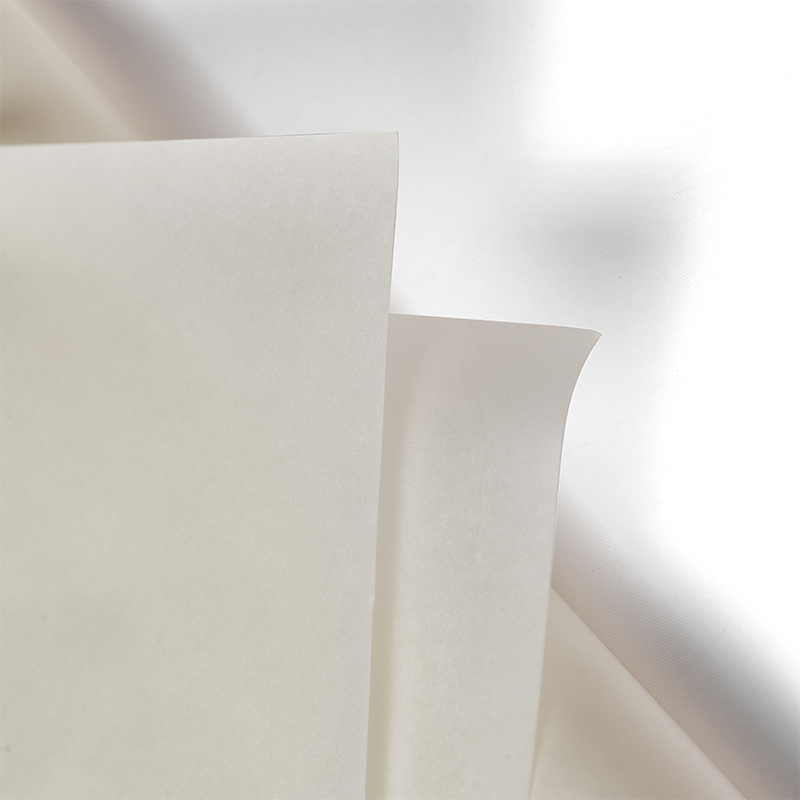
Wax paper is a versatile product widely used in kitchens and packaging. It consists of a base paper coated with a thin layer of paraffin or soybean wax. This coating provides moisture resistance, making it an ideal choice for various applications.
Key features of wax paper include:
● Moisture Barrier: The wax layer prevents moisture from penetrating, keeping food fresh.
● Flexible and Durable: It maintains strength while being flexible enough for various uses.
● Food Safe: Safe for direct contact with food, ensuring no harmful chemicals leach into the contents.
The manufacturing process of wax paper involves several key steps, ensuring high-quality results. Companies like Tarlson Paper focus on using premium materials to enhance the product's performance.
1. Base Paper Production: The process begins with high-quality paper made from wood pulp.
2. Wax Coating: A thin layer of wax is applied using a specialized coating machine. This can be either paraffin or soybean wax, depending on the desired properties.
3. Drying and Finishing: After coating, the paper goes through a drying process to ensure the wax adheres properly. This step enhances the moisture resistance and overall durability.
The result is a reliable product that meets the demands of both consumers and businesses.
Wax paper's unique characteristics make it a popular choice for various culinary and packaging needs. Here are some of its standout features:
● Semi-Transparency: Wax paper is semi-transparent, allowing users to see the contents without exposing them to air. This is particularly useful for wrapping sandwiches or baked goods.
● Moisture Resistance: The wax coating effectively protects the contents from moisture, making it ideal for storing foods that need to stay dry. It prevents sogginess, which is essential for maintaining food quality.
● Non-Stick Properties: Thanks to the wax layer, food items do not stick to the surface. This feature is especially beneficial when separating layers of baked goods or wrapping sticky items like caramel.
● Environmental Considerations: While wax paper offers many benefits, there are challenges regarding recycling. The wax coating complicates the recycling process, making it less eco-friendly compared to other options like glassine paper.
Characteristic | Description |
Moisture Resistance | Protects contents from moisture, keeping food fresh |
Semi-Transparency | Allows visibility of contents while protecting them |
Non-Stick Properties | Prevents sticking, ideal for culinary applications |
Recycling Challenges | Wax coating complicates recycling efforts |
These attributes make wax paper a staple in both home kitchens and food service industries. Its ability to protect food while providing convenience is why many choose it over other materials. Whether you're wrapping leftovers or preparing food for a picnic, wax paper is a reliable option.
When comparing glassine paper and wax paper, the differences in raw materials and textures are significant. Glassine paper is crafted from cellulose fibers, which gives it a smooth and glossy finish. This unique texture is achieved through advanced production techniques, such as supercalendering, which compresses and polishes the paper. Companies like Tarlson Paper utilize this method to enhance the quality and performance of their glassine products.
In contrast, wax paper consists of a base paper coated with a layer of paraffin or soybean wax. This wax coating provides moisture resistance, making it ideal for various food applications. However, the texture is less refined than glassine, resulting in a slightly waxy feel. The tactile experience differs greatly between the two, with glassine feeling more luxurious and professional, making it suitable for high-end packaging.
Visual appeal is another area where these two papers diverge significantly. Glassine paper boasts higher transparency levels, allowing for excellent product visibility. This feature makes it a popular choice for packaging items like baked goods, candies, and artisanal products, where showcasing the product is essential for consumer attraction.
Wax paper, while semi-transparent, does not offer the same clarity. Its waxy finish can obscure the contents slightly, which might not be ideal for all applications. For instance, when wrapping sandwiches or other food items, the visibility of the contents can influence a customer's purchasing decision. Here’s a quick comparison of their visual properties:
Property | Glassine Paper | Wax Paper |
Transparency | High | Moderate |
Visual Appeal | Excellent | Fair |
Heat tolerance is a crucial factor in many culinary and packaging applications. Glassine paper can withstand moderate heat, making it suitable for various baking and food storage tasks. It won’t easily warp or melt, which is a significant advantage in culinary settings, especially when used in ovens or for hot food items.
Conversely, wax paper is not designed for high temperatures. The wax coating can melt when exposed to heat, compromising the integrity of the paper and potentially contaminating food. This makes glassine a better choice for situations where heat exposure is a concern, such as baking or storing warm items. For example, if you’re wrapping freshly baked cookies, glassine paper will keep them intact without melting, while wax paper might not hold up.
Both glassine and wax paper have non-stick properties, but they achieve this in different ways. Glassine paper's naturally smooth surface allows for easy release of items, making it fantastic for packaging delicate products like chocolates or pastries. This characteristic is especially beneficial in automated production lines where efficiency is key.
Wax paper relies on its wax coating to prevent sticking. While this method is effective for many applications, it can sometimes result in a less reliable performance, particularly if the wax layer wears off or if the paper is exposed to heat. For instance, when using wax paper to separate layers of sticky baked goods, the effectiveness may diminish if the wax melts during storage.
Durability is another important consideration when choosing between glassine paper and wax paper. Glassine paper is known for its tear resistance and strength, particularly when produced by companies like Tarlson Paper, which adheres to high-quality standards. This makes it suitable for a variety of applications, including packaging, archival uses, and even arts and crafts.
Wax paper, while durable for everyday tasks, may not hold up as well under stress. It can tear more easily, especially when wet, which limits its effectiveness in certain situations. For example, if you’re wrapping moist foods or using it in a humid environment, wax paper may not perform as well as glassine.
Characteristic | Glassine Paper | Wax Paper |
Tear Resistance | High | Moderate |
Overall Durability | Excellent | Good |
These distinctions help clarify when to use glassine paper versus wax paper. Understanding their unique properties can lead to better choices in packaging and culinary applications, ensuring that you select the right product for your specific needs. Whether you need visibility, heat resistance, or durability, knowing the strengths of each type of paper will guide you in making the best decision for your projects.
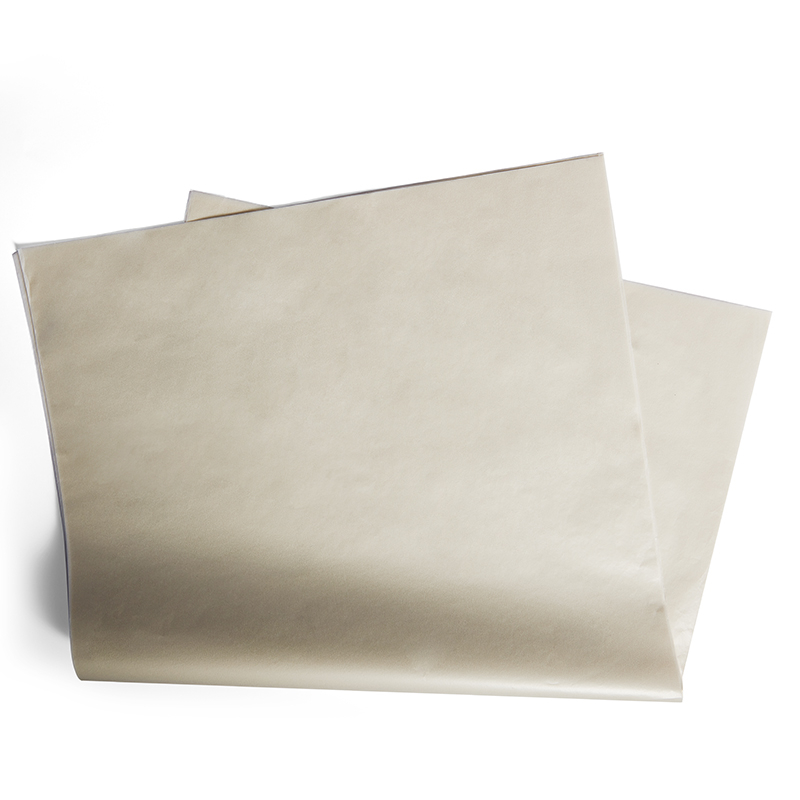
Glassine paper is highly versatile, making it ideal for a variety of applications. Its smooth texture and transparency offer unique advantages in both food packaging and industrial uses.
● Food Packaging: Glassine paper excels in packaging baked goods, candies, and ready-to-eat foods. Its moisture resistance helps keep items fresh while allowing visibility. For instance, when wrapping pastries, glassine not only protects them but also showcases their appealing appearance, enticing customers.
● Industrial Applications: Beyond food, glassine is used in various industrial settings. It serves as a protective layer for sensitive components, such as electronics, where dust and moisture can be detrimental. Tarlson Paper's commitment to quality ensures that their glassine products meet the rigorous demands of these applications.
● Art and Archival Applications: Glassine is also favored in the art world. It provides a safe way to protect artwork and documents from dust and environmental damage. Artists and archivists appreciate its ability to prevent smudging and fading, making it a trusted choice for preserving valuable pieces.
Wax paper is another practical option, particularly in culinary and industrial contexts. Its moisture barrier and non-stick properties make it a go-to for many everyday tasks.
● Culinary Applications: Wax paper shines in the kitchen. It’s perfect for wrapping sandwiches, separating layers of baked goods, or covering dishes in the microwave. The wax coating prevents sticking, making it easy to handle items like cookies or brownies without tearing them apart.
● Industrial Uses: In industrial settings, wax paper provides an effective barrier against moisture and pollutants. It’s often used to protect products during shipping or storage. For example, wrapping tools or machinery parts in wax paper can help prevent rust and damage from humidity.
Application | Glassine Paper | Wax Paper |
Food Packaging | Baked goods, candies, ready-to-eat foods | Sandwiches, baked goods |
Industrial Applications | Protecting electronics, archival uses | Protecting products from moisture and pollutants |
Art Preservation | Protecting artwork and documents | Limited use in art; primarily culinary and industrial |
Both glassine and wax paper have their unique strengths, making them suitable for different scenarios. Choosing the right paper can enhance product presentation, protect items, and streamline processes in both culinary and industrial applications. Understanding these applications helps ensure you select the best option for your specific needs.
Glassine paper and wax paper serve different purposes. Glassine offers higher transparency and moisture resistance, making it ideal for food packaging and art preservation. Wax paper is best for culinary tasks, providing a non-stick surface.
When choosing between them, consider your specific needs. Tarlson Paper is a reliable source for sustainable options. Always keep sustainability in mind when selecting packaging materials. Your choice can make a difference for the environment.
A: Yes, glassine paper can withstand moderate heat, making it suitable for baking applications.
A: Yes, wax paper is food-safe but not recommended for high-temperature applications.
A: Glassine paper is recyclable, while wax paper is generally not recyclable due to its wax coating.
A: Glassine is better for food packaging due to its moisture resistance and transparency.
A: Alternatives include parchment paper and biodegradable films, offering similar benefits.


